Although there are many famous wine areas within the Veneto region, this post will focus solely on the Valpolicella viticultural zone as these wines are the most famous and are readily available in North America. We will revisit Veneto’s other famous wine offerings in later posts.
The backbone, and most traditional grape variety in Valpolicella is Corvina, but there are other indigenous grape varieties permitted in the blends. Rondinella grapes and Molinara grapes are two of the more common ones used.
Amarone della Valpolicella DOCG
What has made Valpolicella world-renowned is the Amarone DOCG. Even wine neophytes know the Amarone wines.
Most local wine stores stock up on Amarone for the Christmas season as it makes the perfect Italian wine gift since it’s universally recognized as a fine, high-end offering. More importantly, the Amarone style of wine appeals to everyone from the uninitiated to the connoisseur.
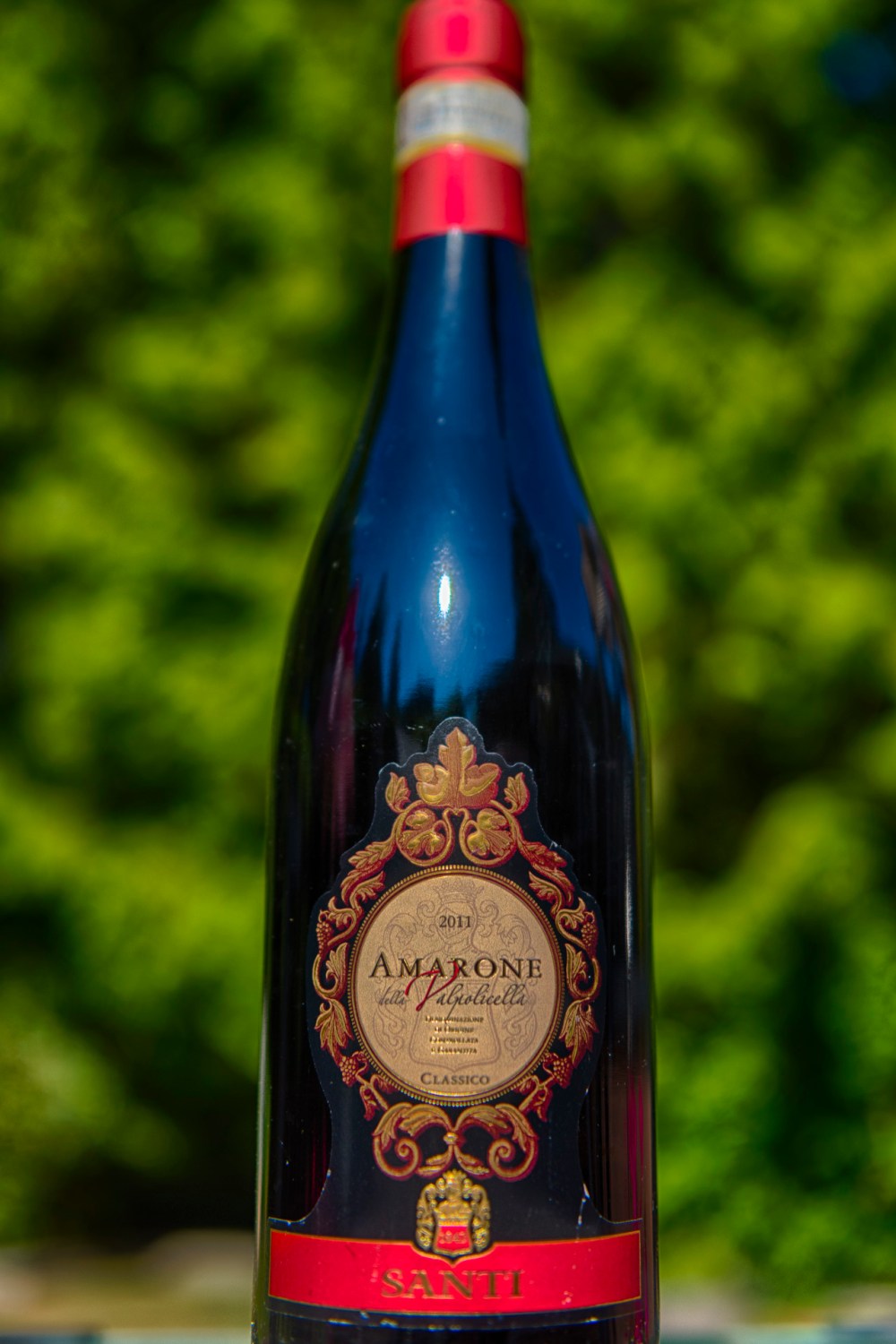
Raisins aren’t just for Kid’s Lunch Boxes!
What makes the Amarone wine so unique is the ancient “Appassimento ” process. The harvested grape bunches are dried on straw mats, typically for 120 days . They must be laid out in a single layer in a climate controlled environment to prevent the onset of rot.
You’re probably asking why you would want to make wine from shriveled raisins when you could use plump juicy grapes but the answer is simply the sugar content. These poor wee buggers loose over half their weight and the sugar content rises at least 25% in the process. Before you say “ewww, I don’t like sweet red wines” keep in mind that Amarone wines are always vinified dry. The Amarone DOCG regulations mandate that there is no more than 12grams per litre of residual sugar, with most producers having less than that. The fermentation process is relatively long, at 30-50 days, as the reduced water content in the grapes slows this down. The regulations also require that there is a minimum ABV of 14% but most end up in the 15%-16% range. Hell yeah, let the good times roll!
Amarone’s are always aged in Oak casks in order to achieve their rich and complex flavour. The aging process is a minimum of 2 years, or 4 years for a Riserva, but the wines are seldom actually released for 5 years from production.
More useless trivia, it takes over 20lbs of grapes to produce a single bottle of Amarone.
The Perfect High End Italian
Amarone, unlike the wines of Tuscany and Piedmonte that are characterized by high tannin and acidity, have a broader appeal. The Amarone DOCG brings full body and ginormous jammy goodness without the higher acidity found in the Brunello and Barolo’s from Tuscany and Piedmonte. Amarone’s typical ABV of 16% is pretty hard to beat. Hey Santa, there’s room in my stocking!
Ripasso della Valpolicella DOC
As stunning as Amarone wines are, most of us can’t afford them on a regular basis but don’t despair. The next level down on the Valpolicella awesomeness pyramid is Ripasso della Valpolicella DOC which are often referred to as baby Amarone. It’s not necessarily because they’re immature or unrefined, especially when compared to their mom, it might be that they are, to some extent, a byproduct of Amarone production.
As we know, Amarone utilizes semi-dried grapes which yield a high sugar content and has a very concentrated flavor. The pomace, which is the grape stems, skins and remaining flesh after the free run juice is poured off, is saved and there is still residual sugar due to the Appassimento process. To make Ripasso they take Valpolicella wine, which is typically made from Corvina and Rondinella grapes and repasse it, or Ripasso it in Italian, on the Amarone pomace where it sits for 7 to 14 days. The residual sugar in the pomace starts a 2nd fermentation that supercharges a good Valpolicella wine and it becomes a baby Amarone. The minimum age before a Ripasso can be released is only 1yr and the minimum ABV is 12.5%. Although the ABV is lower than an Amarone, Ripassos are still full-bodied and have a similarly rich flavour.
Ripasso della Valpolicella wines are readily available, with prices ranging from $15-$25USD
Every Amarone producer also makes a Ripasso and drinking them side by each is an interesting pastime.
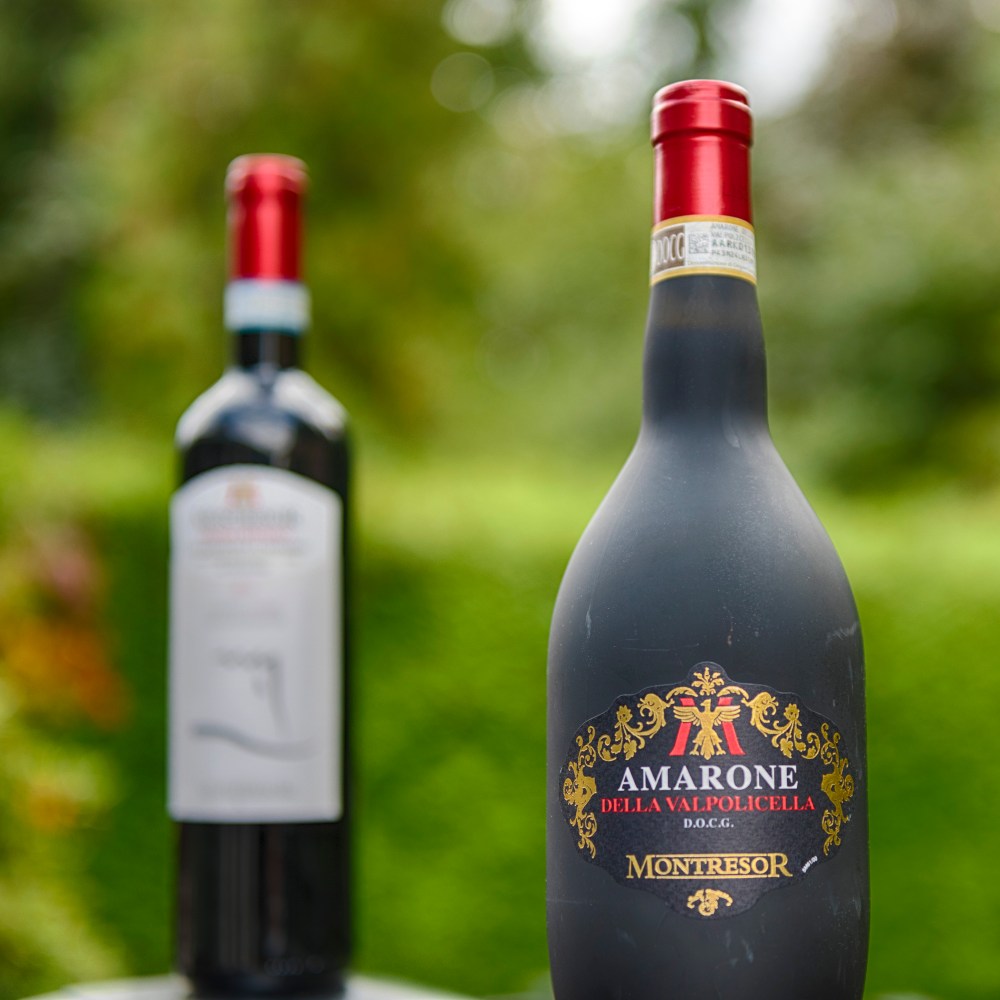

Valpolicella DOC
The classification of Valpolcella DOC represents the typical wines produced in the Valpolicella sub region of Veneto, excepting or course the more prestigious Amarone DOCG and the Ripasso DOC. The production rules for the red, or rosso, DOC wines from this region are less rigid and the Corvina grapes can be anywhere from 45-95% and Rondinella 5-30% . For other approved grapes, the total can not exceed 25% of all the grapes used and no more than 10% of any one of the other approved varieties. Molinara grapes are commonly used as the “other” grape in Valpolicella DOC blends. These wines also require a minimum of a 1 year aging period and the minimum ABV is 11%.
Good examples of these wines can be found for $10-$15USD.
Many producers, including Montresor , Zenato, Tommasi and Villa Maffei have Valpolicella DOC wines to compliment their line-up as these are much more affordable than their Ripasso’s and Amarone’s. At your next wine tasting event try comparing all three classifications from the same producer. I’d love to hear about the results!
Variations to the Amarone and Ripasso Process
DOCG and DOC regulations are highly detailed and it doesn’t take much to fall outside the classification rules for production. An example of this is the Masi Grandarella. It’s made with the same appassimento process as Amarone but Masi uses the Refosco grape. As it doesn’t use the Corvina grape which is dictated by the Amarone DOCG, it cannot be called Amarone della Valpolicella. It falls into the Refosco Delle Venezie IGT but it’s a fantastic full-bodied wine that offers great value.
Masi Agricola also makes some very popular “Campofiorin” wines. Although the process is different from the traditional Ripasso method the results are very similar.
The double fermentation process for these wines starts with the grapes being split. Some of them go into traditional fermentation and the rest are used in an appassimento process which is shorter than the one used for Amarone. The dried grapes yield concentrated sugar which, when mixed back into the fermented wine, the second fermentation process starts. This differs from a Ripasso which uses the leftover pomace from Amarone production. Masi Agricola has nice video that demonstrates their unique process.
The most common Masi Campofiorin is a fantastic value at less than $15USD. My favorite wine from Masi Agricola is actually their Campofiorin Brolo. It can definitely stand up to most of the Ripassos out there and it’s a fair bit better value.
Another great value in big fat Valpolicella wines is the Corasco produced Tedeschi. They use the Corvina grape like Amarone but the appassimento process is only 30 days compared to the 90 to 120 days Amarone uses. Because of this the grapes only loose about 10% of their weight while Amarone loses about 40%. Despite the “Appassimento Breve”, the process yields a high ABV of 15.5 % and produces the depth and complexity of a fine Ripasso.
Valpolicella Summary
I don’t think I’ve ever met a red wine drinker that doesn’t appreciate an Amarone and it should be on everyone’s wish list to be enjoyed with friends you think are worthy.
For weekend fair you can’t go wrong with a Ripasso or one of the Masi Campofiorin wines.
If you drink red wine daily, being as it’s so beneficial to our health and all, you may also want to try some of the Valpolicella DOC wines but we know there are some fantastic budget Ripasso DOC’s out there so I wouldn’t blame you if you stuck to those.
I suggest you round up your Mötley Crüe of wine geeks and taste an Amarone and Ripasso from the same producer. You can decide for yourselves if the Amarone is priced at the point of diminishing return.
All these Valpolicella wines go well with or without food but the ABV in lots of them is on the high side so having a few nibbles handy might help defer the falling over.
Saluti and don’t forget to share your conclusions!
 Barley and Vine
One Comment Add yours