


Piemonte is considered the region that produces Italy’s best wine with a good variety of DOCGs and DOCs. Whoa whoa whoa ….what about Tuscany with their exalted Brunello, Barley and Vine – Tuscany. Like Lucy, I think I have some ‘splaining to do. Wine geeks all agree that Italy’s best wines are the three Big Bs, Barolo, Barbaresco and Brunello. Barolo and Barbaresco are both produced in the Piemonte wine region and Brunello is from Tuscany. Disagreeing with Meat Loaf, 2 out of 3 is freaking awesome! From my Puglia post, Barley and Vine – Puglia, the heel of the boot produced the largest volume of wine in 2017, but only a paltry 7% qualified as a DOC, and Tuscany’s wine production is over 65% DOC or DOCG. Piemonte beats all other regions, giving us 42 unique DOCs and 17 DOCGs with these wines accounting for a whopping 89% of their total production. This makes it very easy to conclude that the best vino in Italy comes from Piemonte, and many of them are top shelf.
In the The Italian Minefield , we discussed that wines from Piemonte can be disappointing to the uninitiated. Many of them are pretty spendy, and include some of the most expensive wines in the world. Why all the fuss? The Nebbiolo grape of course! Nebbiolo is the backbone of Piemonte’s top wines which tend to tannin bombs. Tannin, also found in tea, contributes to the bitterness and the tongue curling astringents which begs the question, why the heck do you want a high tannin wine? The answer is simple, for a wine to have ageability you need higher tannins and acidity first and foremost as these components act like a preservative. When you start with a high tannin level, and give it a decade or more to soften, you are richly rewarded with a wine that has the complexity of flavor that you would never experience with young wines.
Since I’m all about useless trivia, the taste receptors for bitterness are located in back of your tongue and your soft palate. This is in stark contrast to fruit forward wines where the taste receptors are at the front of your tongue.
Barolo DOCG
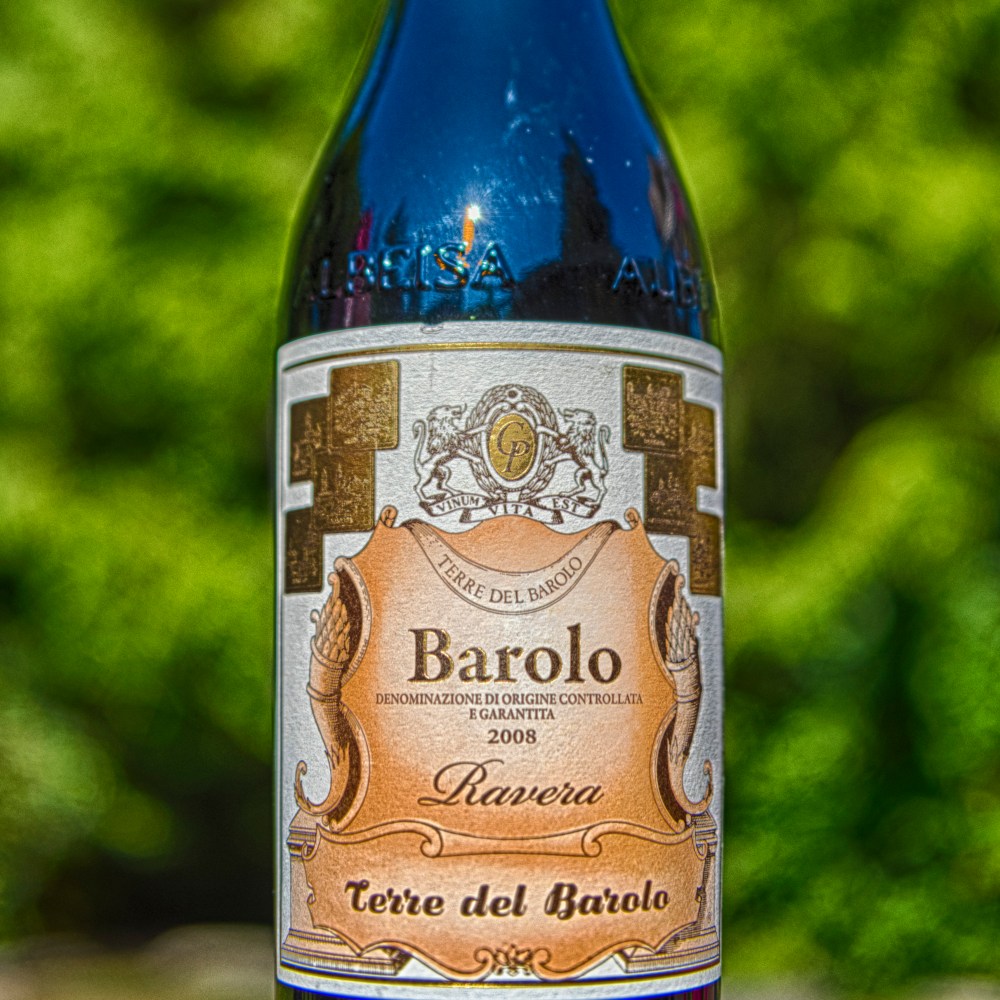
Barolo DOCGs are considered the best wines in Italy, aptly named the “King of Wines”, and the price of a bottle in your local restaurant reflects this. Barolo is a Nebbiolo varietal wine with no other grape in the mix. These wines go through an extended maceration period of one to two months. This means that after the grapes are fermented into wine it’s left in the vat with the stems, seeds and skins which is where most of the tannin comes from. It’s the tannin that gives wine its ageability and in the case of Barolo it’s excellent for well over 20 years. The sad thing is that a Barolo, which must be aged for a minimum of 3 years or 5 years for Riserva before release, is generally still unapproachable when it hits the shelf. It typically takes 10 years from fermentation for the tannins to soften and achieve the splendor of this DOCG. If a wine like Barolo is consumed before it’s properly aged the tannin bomb and acidity in your mouth on the first sip can leave a bad aftertaste from some very expensive Italian wines.
I have broken the ten year rule numerous times, and although the wine was pretty good, it wasn’t representative of a “King of Wines” that you get with proper aging. The drinking with food thing also come into play with Barolos. As good as they are, Barolos don’t make for the optimal glass of wine for just sitting around drinking and that’s coming from a guy who likes his Scotch, gin and rum neat. As the Barolo by nature is a bit of a chameleon, just pair it with something rich, fatty and yummy like a big thick tomahawk steak, you’ll find yourself in heaven instantly!
Barbaresco DOCG
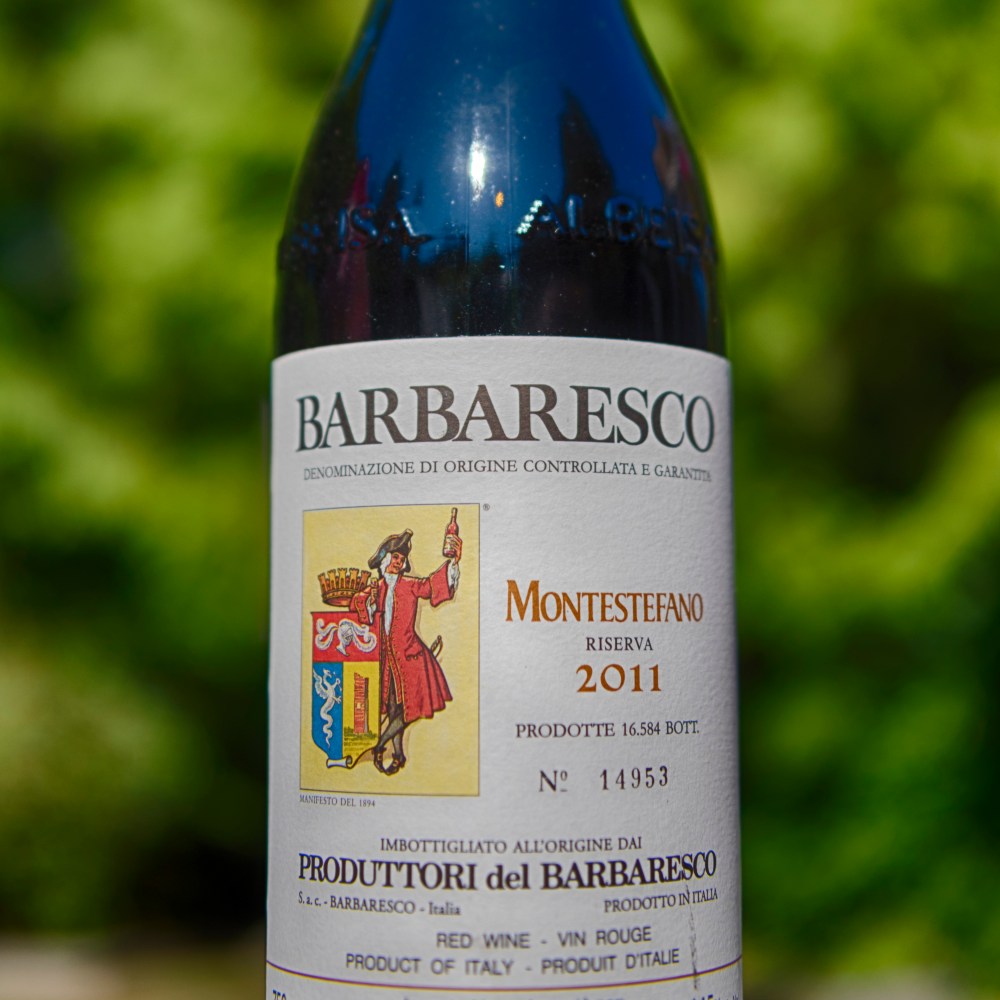
Considered the Queen of Italian wines, Barbaresco DOCG is only 10 miles away from Barolo on opposite side of the town of Alba. Both DOCGs produce Nebbiolo varietal wine but there is a notable difference in the aging requirement. The Barbaresco rules only require aging for 2 years, or 4 years in the case of a Riserva, before release. Prior to the 19th century the grapes grown in Barbaresco were actually used in the production of Barolo which begs a question. Why if both are 100% Nebbiolo, from the same area more or less, is there be a marked difference between the King and the Queen? The answer, “terroire”.
The Thing About Terroire
Location, location, location! The terroire is the combination of the climate, terrain, soil and traditions of a particular growing area. The subtleties and nuances of a particular wine are influenced by all these factors. Despite the relative proximity of Barolo and Barbaresco, Barbaresco is closer to the River Tanaro and at a lower altitude which results in warmer morning temperatures so the Nebbiolo ripens earlier. The Barbaresco vineyards have soil that is richer in nutrients so the tannin levels in this region are lower.
So whats the difference between the Barolo DOCG and the Barbaresco DOCG you ask?
Barolo tends to have heavier tannin for a given age which results in a wine that is less approachable when young. Barbaresco’s shorter maceration time and time in barrel , since the oak also imparts wood tannin, results in a slightly more fruit forward wine . Even though the tannins are less aggressive in Barbaresco, it still needs some cellar time before you can experience its true potential. It’s hard to find a really bad Barbaresco, even if it’s young, but by laying it down for at least 5 years you will have something truly splendid. Patience young grasshopper, the reward is worth the wait.
From time to time I splurge. Maybe it’s a Barolo or maybe it’s a Barbaresco but I squirrel it away and try to forget about it. Fortunately there are some intriguing Nebbiolo varietal wines that you can enjoy at a young age distracting you while you wait. Behold the Nebbiolo d’Alba and the Langhe Nebbiolo!
Nebbiolo d’Alba DOC
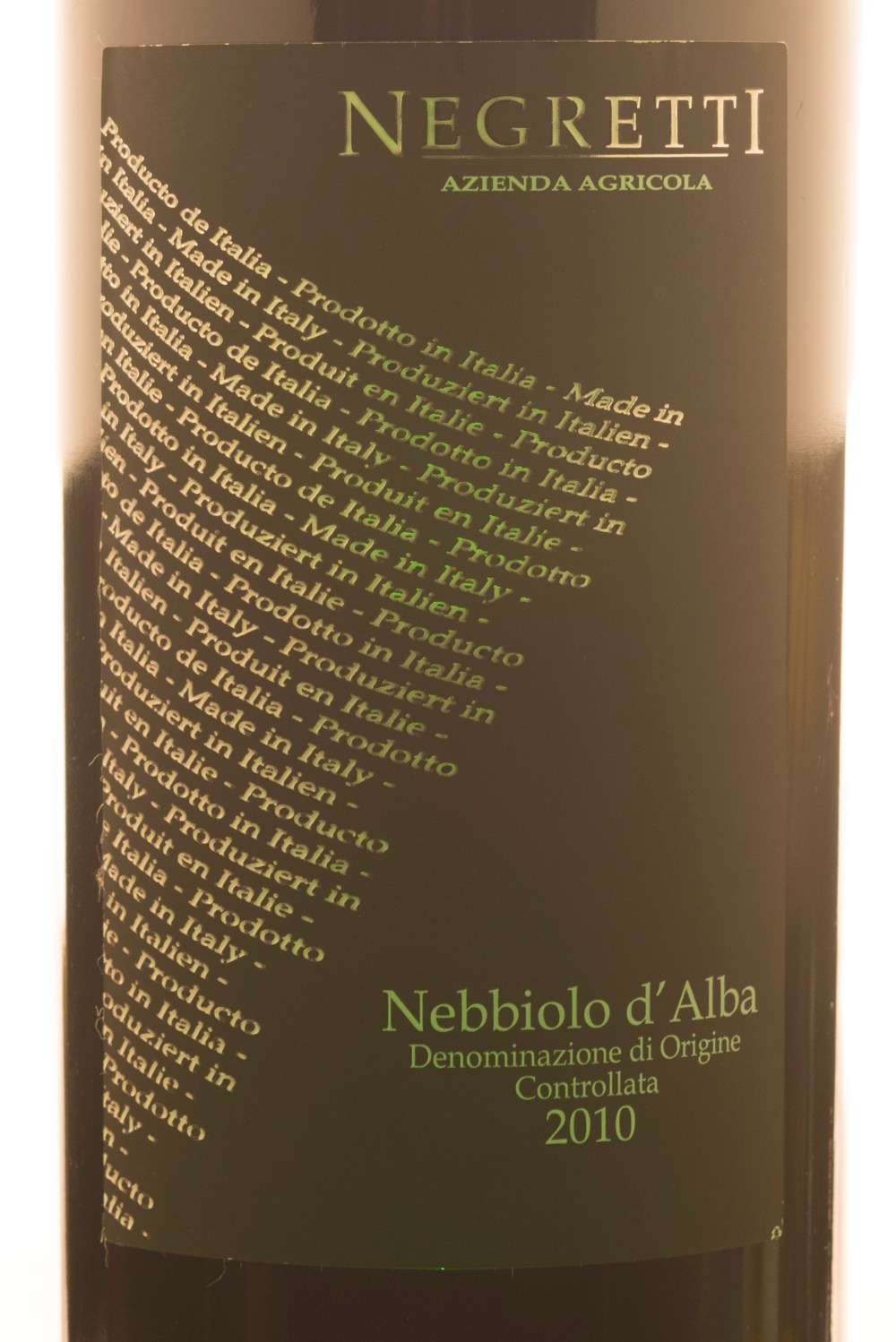
The Nebbiolo d’Alba DOC encompasses both the Barolo DOCG and the Barbaresco DOCG. They are all centered around the town of Alba, with the Barolo DOCG to the southwest and Barbaresco DOCG to the east. As a result, all the grapes produced within the broader region of Nebbiolo d’Alba have characteristics that are similar to both Barolo and Barbaresco.
All the wines of Nebbiolo d’Alba DOC must be 100% Nebbiolo grapes, but the aging rules differ from Barolo DOCG and Barbaresco DOCG which we have already discussed. Only one year is required before release, except in the case of a “Superiore” which requires 1.5 years. Happily you don’t have to hold these wines as they can generally be enjoyed on release.
Nebbiolo d’Alba DOC wines typically range from $20USD to $50USD but finding a good selection can be a challenge in North America. Their prices are bumping up against the better known Barolo DOCGs and Barbaresco DOCGs which are more popular here. For more budget friendly choices, it’s time we take a look at the broader region of Langhe DOC which encompasses them all.
Langhe DOC
There a several different DOCs within the Langhe DOC and the production rules vary depending on the grape variety.
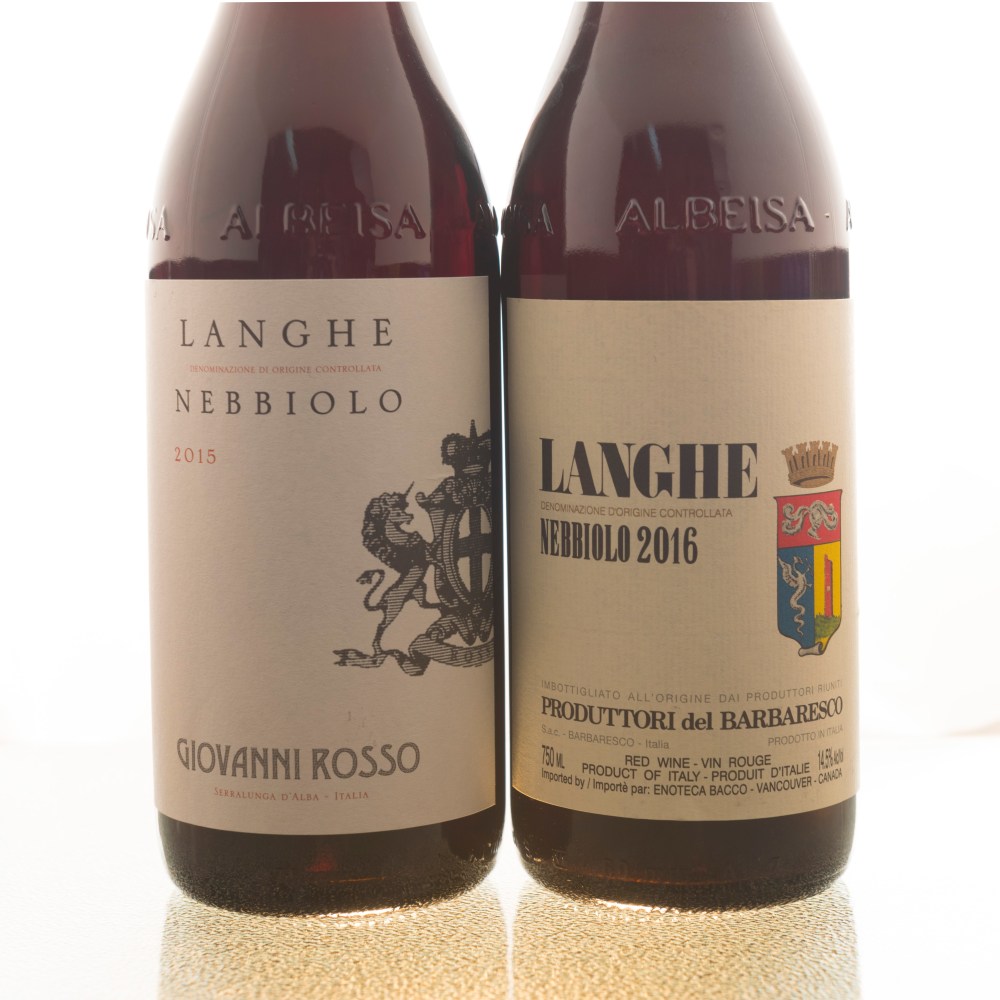
Langhe Nebbiolo: Requires a minimum of 85% Nebbiolo grapes but most are actually 100% Nebbiolo varietals.
Often the grapes that go into the Langhe Nebbiolo DOCs are grown near or even in the same vineyard as the more exalted Barolo and Barbaresco grapes, again resulting in wines with similar characteristics. Fortunately for us, these wines are a much better value. There are some fantastic examples of Langhe Nebbiolos that range from $15USD to $25USD so grab a bottle to drink with that lamb shank as this wine, with its higher tannins, performs very well when paired with the right food!
Langhe Barbera: A minimum of 85% Barbera grapes are required. This ancient grape produces easy drinking wines. The tannin levels are low compared to a Nebbiolo, is meant to be enjoyed young and is good with or without food.
Langhe Rosso This is simply a red wine from Langhe DOC. It can contain any combination of the allowable grapes in the region including Nebbiolo, Barbera, Cabernet Sauvignon and Merlot. Due to the less restrictive rules of this DOC, there is a broad range of style and taste. These wines start at $10 USD and are a great introduction to the wines of Piemonte.
Piemonte Summary
It’s home to the world-renowned King Barolo and Queen Barbaresco. As you travel the perilous journey through The Minefield of Italian Wines you may spend beaucoup bucks on a Barolo and crash head on into the tannin bomb characteristic of these wines, especially when they are young age. I believe that all wine lovers must experience a Barolo and Barbaresco at least once in their life so pick up a good vintage and stuff it in your cellar. Hold it for at least 5 years then pull the cork on a special occasion and I promise you it will be life changing.
If you want to experience the intrigue of Nebbiolo pick up a Langhe Nebbiolo DOC or a Nebbiolo d’Alba DOC and I think you will be surprised, in a good way of course, on the very first sip.
The Piemonte region has much more to offer than just their famous Nebbiolo wines and will be the subject of a future post.
The Thing About Decanting
I haven’t talked about decanting yet but doing this can make all the difference with certain wines. It exposes the wine to oxygen which can release flavours and aromas. This is often called letting the wine breathe.
Of all the grape varieties out there, Nebbiolo wines typically need the most time to breathe and three hours would not be unreasonable. I hate cleaning a decanter so I just pour the bottle into some big ass glasses ahead of drinking time. If you don’t have red wine glasses that can take at least 1/3 of a bottle, 20 ounces at minimum, I would invest in some straight away if you’re serious about drinking wine when it’s at its finest! Don’t fill the bowl of the glass beyond the widest part so you maximize the “breathing”.
 Barley and Vine