
Ahhhh…France! Land of stinky cheese but glorious wine! Their military may not get much respect, as evidenced by all the French surrender jokes, but their ability to produce world class wines can’t be disputed!
There are 12 wonderful wine regions in France. Like Italy, France has its own wine classification system but it can be a little more complicated.
French Wine Classification
The highest classification of French wines is AOC, or Appellation d’Origine Contrôlée, and this system has been in use since the 50’s. Like Italy, this classification system delineates the geographic area where a wine is produced and dictates by law the following standards:
Grape Varieties – Allowable grapes and percentages of each permitted in a particular blend.
Production Standards – Density of vineyards, yield per acre, whether or not irrigation is prohibited, mandatory “triage” to discard imperfect grapes, and mandatory discard percentages. An example of mandatory discard is Châteauneuf-du-Pape AOC where 2% of all harvests must be discarded. This forces all producers to sort through their harvest to ensure the quality of the grapes in the final product meets the high standards dictated by the AOC.
Vinification Standards – The amount of time before a wine is released, the amount of time required in the cask and the minimum alcohol level are all things that are governed by the specific AOC. Whether chaptalization, which is the process of adding sugar to a wine, is permitted in a given AOC also falls under the vinification standards.
Packaging Standards – The style of bottle, type of closure and label requirements are specified by the AOC. Labeling requirements are extremely detailed and you probably need a PhD in Winoscience to comprehend it all!
So What?
The AOC system helps us to make more informed choices on what wine to try next. If you like the style and flavor profile of a particular AOC wine, you can be assured that all the wines from that AOC, regardless of the producer, will be appealing.
There are over 300 wine AOCs in France so a little help narrowing down the choices is probably in order.
First Things First. How are AOC Wines Labeled?
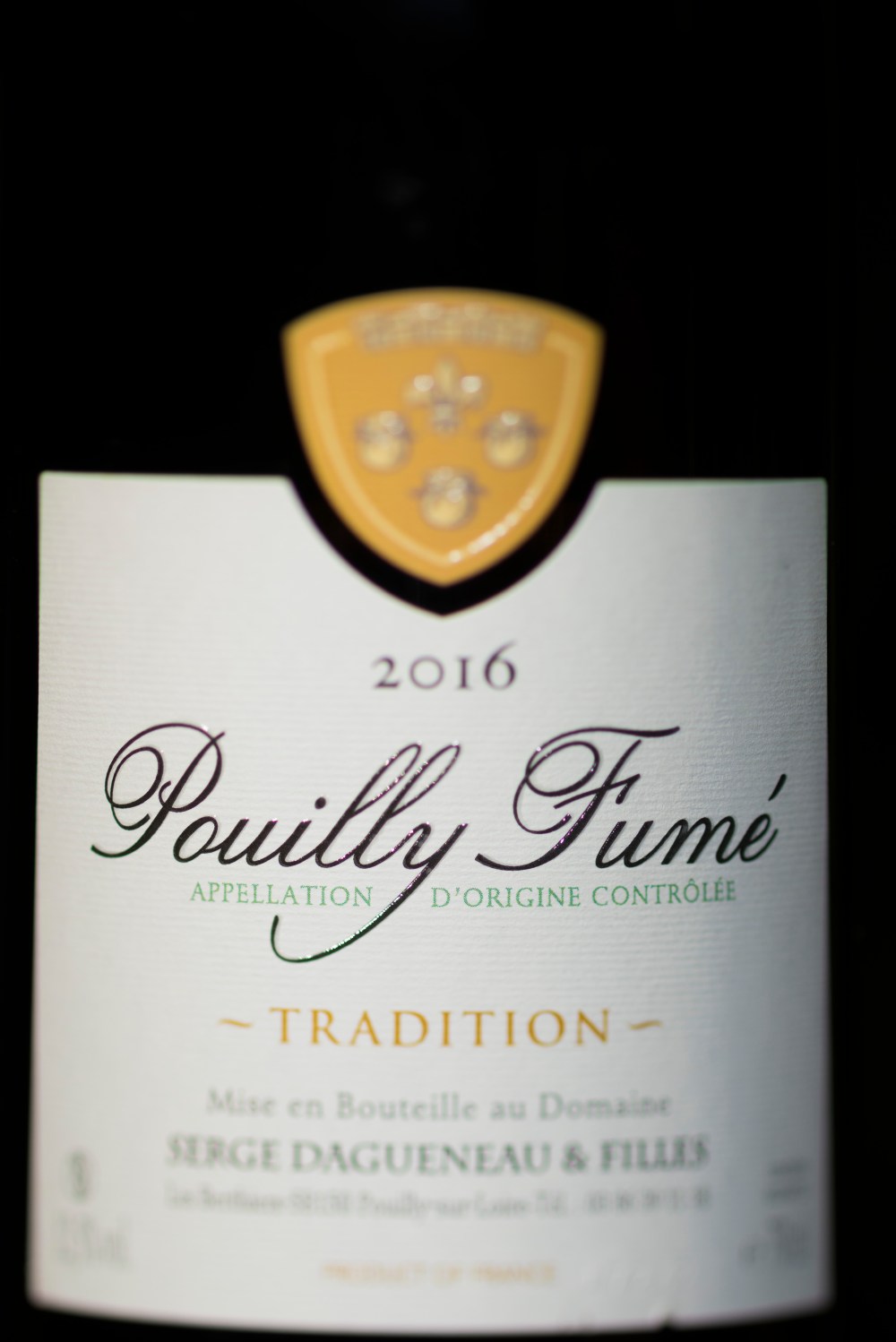
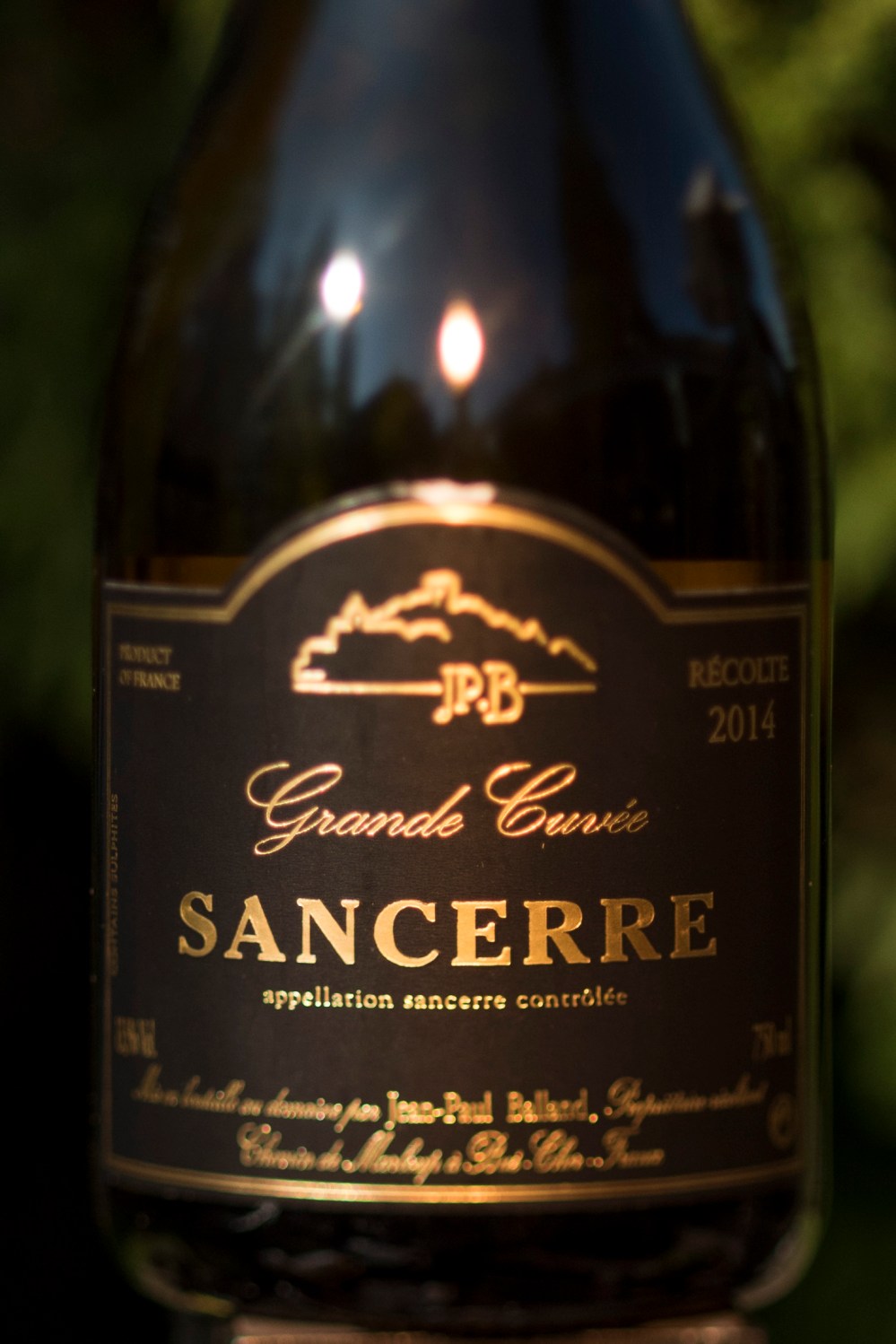
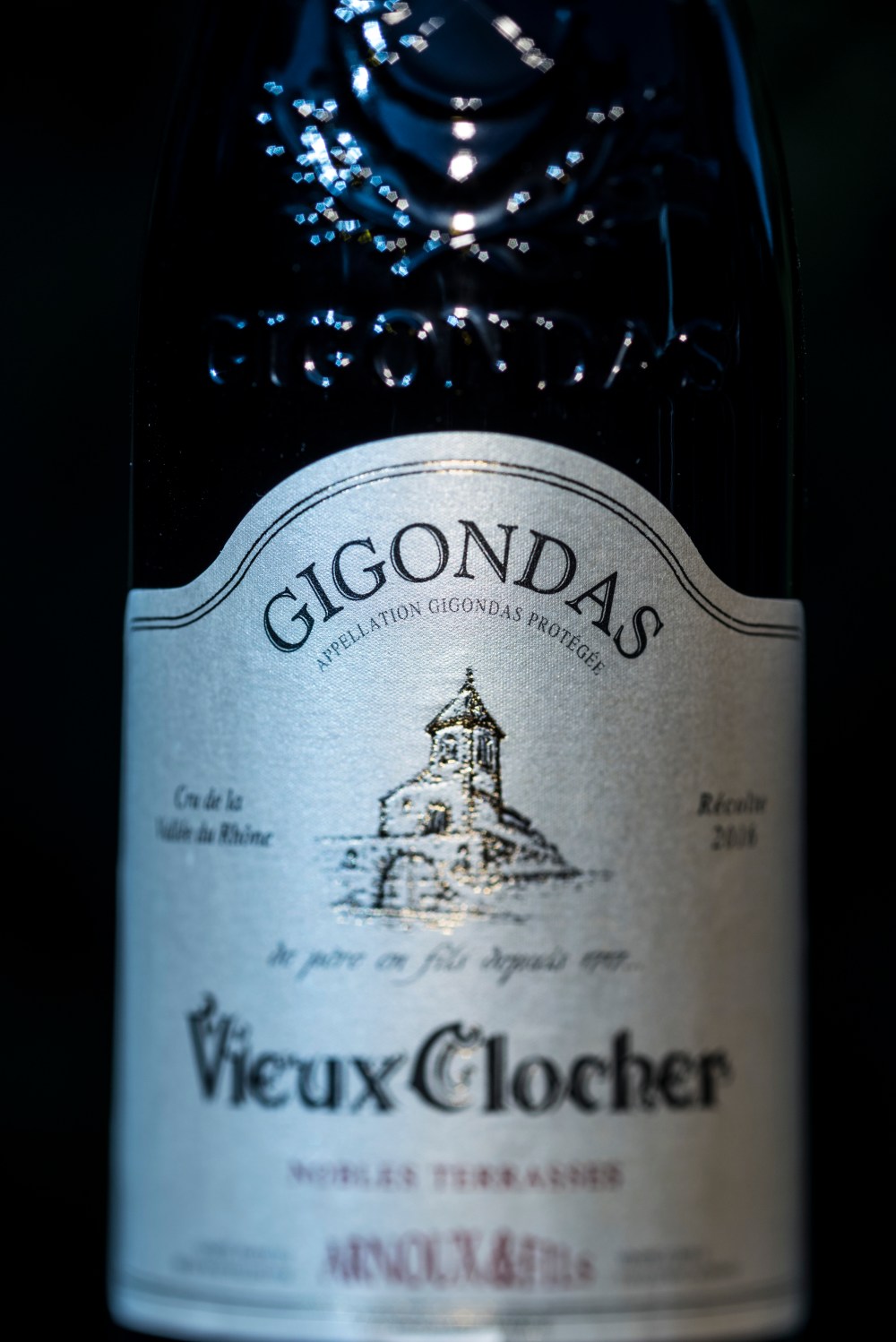
Typically the name of a specific AOC is followed by “Appellation d’Origine Contrôlée” but you may also see the name inserted between Appellation and Contrôlée. Some examples of this are below.
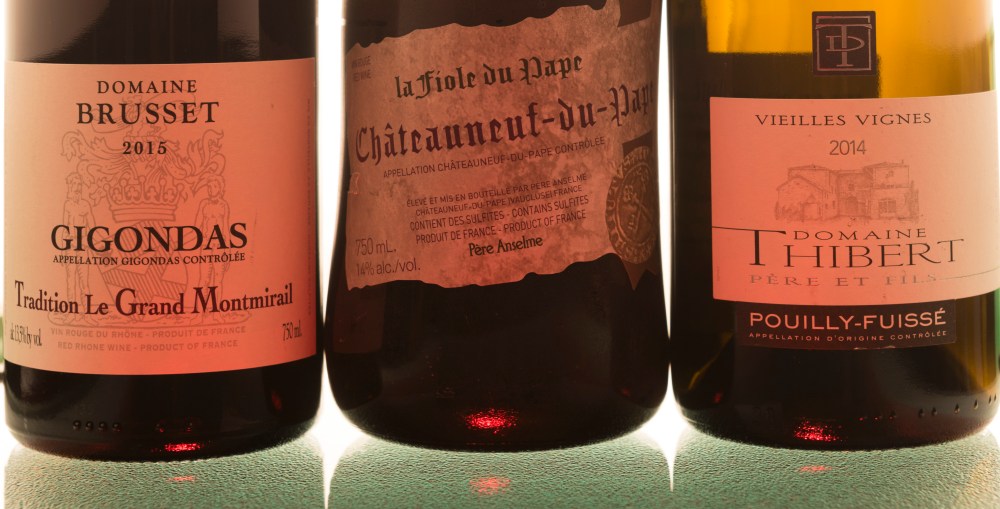
The European Union introduced a new classification system called Appellation d’Origine Protégée, AOP, to provide more consistency across the European common market. In 2012 France adopted this to replace their AOC system but their labelling protocols are inconsistent as evidenced above and below.
Different Levels Within an AOC
The French AOC system may at first seem very simple, either a wine is an AOC or it’s not. Mais non mes amies, the French love complicating things, just look at their tax laws! Despite this, what they have actually done with AOC wine classifications est magnifique!
Each of the twelve wine regions has its own unique AOC levels.
Rhone Valley Wine Region Classification
The Rhone Valley alone has 4 distinct AOC levels.
The Crus: These are the top tier wines and the name of the particular Crus, for example Châteauneuf-du-Pape AOC, is on the label. A Crus is not required to have the term “Côtes du Rhône” on the label as they are all very well known. If you didn’t know where a Châteauneuf-du-Pape hails from perhaps you are not worthy of such a fine inebriant.
Côtes du Rhône “named villages”: These are second tier wines and are entitled to add the village name after “Côtes du Rhône” as in Côtes du Rhône Sablet.
The picturesque village of Sablet has a house with a tree growing out of it and you sure don’t see that everyday!
Named Village wines are hard to find in North America. Most liquor stores only stock the popular Crus level wines and the basic Côtes du Rhône for daily drinkers. The Named Village wines tend to get overlooked which is really unfortunate as there are a lot of great wines in this classification.
Côtes du Rhône Village AOC:
These wines are considered the third tier and represent fantastic value as you can’t really go wrong.
Côtes du Rhône AOC
Although this is the entry level AOC classification in the Rhone wine region, the wines are still a step above non AOC and are consistently good.
Bordeaux Wine Region Classification
The Bordeaux “Cru” classification system, which includes the “1885 Medoc” classification, is far more involved than all other regions. In 1885 the actual producers, or Châteaus, were ranked in a 5 tier system and those rankings still stand today with very little change. The rankings are from Premier Cru to Cinquièmes Cru, or First to Fifth.
Bordeux 1885 Medoc Classification
Interesting factoid – Thomas Jefferson, one of the Founding Fathers, principal author of the Declaration of Independence and the 3rd President of the United States, was the Supreme Leader of Wine Geeks. During his tenure as Ambassador to France he compiled a list of what he felt were the Premiere Crus Classés or First Growth wines in Bordeaux. He essentially created his own Bordeaux wine classification system. What is fascinating is when the official 1855 Médoc Classification was created over 70 years later, the 4 Châteaus that were awarded Premiere Cru were the same 4 Thomas Jefferson listed. He obviously had a very discerning palate!
Burgundy Wine Region
The world famous Burgundy Region has, yet again, their own unique system.
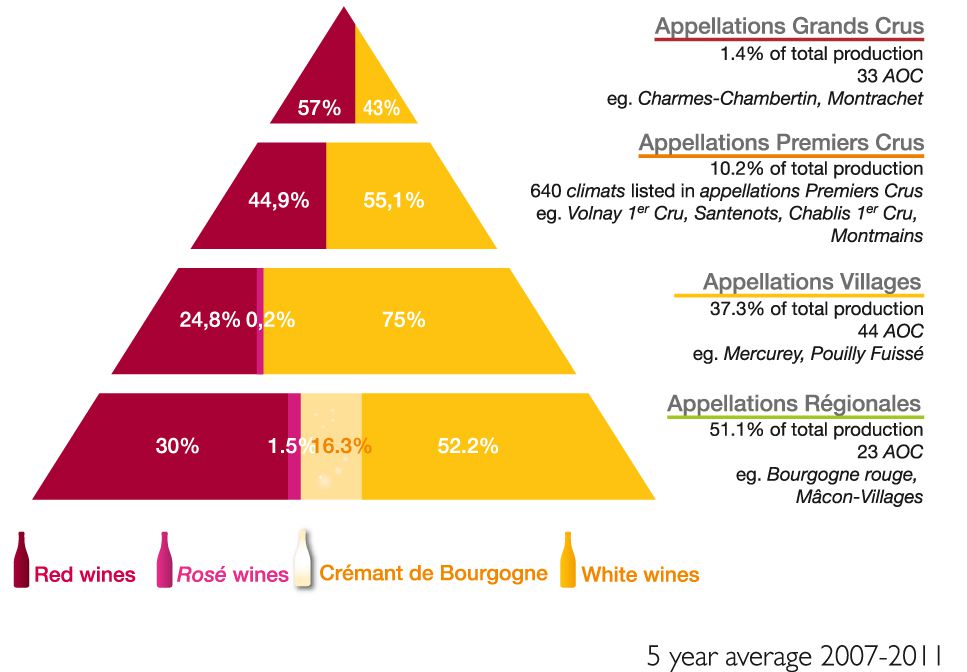
French Wine AOC Classification Summary
As you can see, you will have to make some effort to fully understand and appreciate the French AOC classifications but there are some pretty simple paths to enjoyment if you don’t have time for all that! If you discover a wine from a particular AOC that you like, any wine from that AOC should please your palate. Rest assured that they all meet the highest standards of production the AOC demands so taste away!
Other Levels of French Wine Classification
The AOCs definitely aren’t the only good wines in France! There are other classes that are not considered as prestigious as AOCs but are still high on the yummy scale.
The level after AOC is VdP, Vin de Pays or Country Wine and happily, these are readily available in North America. The most common VdP wines come from the Languedoc-Roussillon region in the SouthWest of France and can often be found here at bargain prices.
The last classification is VdT, Vin de Table or Table Wine. As the VdP wines are so reasonably priced here most importers bring in little or no VdTs which is a crying shame. Every restaurant in every in town in France offers a fantastic table wine, with a half litre for less than $7 and cheaper than a can of Coke there!
Just as the AOC classification was replaced by the AOP, the VdP is now the European Union wide equivalent, IGP or Indication Géographique Protégée. VdT is now simply called Vin de France.
Vive la France!
 Barley and Vine
2 Comments Add yours