I was planning my next post for Barley and Vine to be on Southern Rhone but, since the holidays are here, I thought I would make a little detour and talk about dessert wines. Christmas is all about spending time with family and friends, enjoying good wine and good food! After gorging on that big turkey dinner with all the trimmings you always have room for that “Wafer Thin Mint”, unlike in Monty Python’s The Meaning of Life, and there’s nothing better to accompany it than the perfect dessert wine. Don’t Google the Monty Python reference unless you share my juvenile sense of humor!
There is a wide variety of richly sweet dessert wine produced around the globe but I tend to favor those from France and Italy. The dessert wines produced there typically have more complex flavors and unique characteristics which I think set them apart from the crowd.
To enjoy dessert wines to their fullest they must be paired with those wonderful after dinner treats, many of which you only enjoy at Christmas when decadence is the name of the game!
Dessert Wines of France
Botrytis Nobel Rot
Most of us would discard a moldy strawberry or blueberry but grapes are a different story. Under certain conditions, they can become something beautiful and elegant. Botrytis Nobel Rot, a type of fungus that grows on the grape in certain conditions, is a key component in the creation of a fine dessert wine. In order for this to occur naturally the environmental conditions must be perfect or, either there would be no rot or it would become the dreaded grey rot which would ruin the harvest. It is the combination of early morning mist, followed by afternoon sun to dry out the grapes, that is critical for the Botrytis Noble Rot to thrive in a predictable manner. If a moist environment persists throughout the day and night there is a risk of grey rot, an undesirable form of Botrytis.
The grapes must be perfectly ripe when the Nobel Rot starts to occur because if it starts too early or too late it does not have the same effect. As the The Nobel Rot starts to affect the grapes, the moisture level drops concentrating the sugars. When these shriveled bunches of moldy grapes are vinified, the resulting wine has an unusual combination of high residual sugar and a relatively high alcohol by volume.
In the making of Icewine or Eiswein, the sugar content in the juice of the grapes is concentrated by the freezing process but this does not impart any additional flavor to the wine. Making wines with the Botrytis Nobel Rot not only concentrates the sugar, it results in wines with unique and fantastically complex flavors that are truly incomparable. Who knew something like rot would have such a profound effect! The finished products all tend to be sweet, but with a zesty acidity, which is an intriguing combination that just seems to work.
This acidity in Noble Rot wines is critical to its enjoyment . The sweetness of wines can be measured by their residual sugar after fermentation process is complete. A dry wine is about 1-10 grams / liter residual sugar. Off dry wines typically range 10-35 grams / liter. A Coke Classic is 108 grams / liter of high fructose corn syrup nastiness. These Noble Rot wines typically range 80 to 120 grams / liter. So one would assume that Noble Rot wines taste as sweet as Coke, but this isn’t the case. The acidity in these wines work a magical relationship with the residual sugar of the grapes. This is no different from the sugar and lemons in lemonade working together.
Bordeaux – Not Just Killer Reds!
Wine making in Bordeaux goes back 2000 years to the time of the Romans. It was not until the strategic marriage of Henry II of England to Eleanor, the Duchess of Aquitaine in 1152 that Bordeaux rose to prominence in the wine world. The Duchess had a bit of a checkered past, and was actually imprisoned for 16 years, but what’s most significant about her union with Henry II is that the Province of Aquitaine, which includes, Bordeaux, became English territory. Bordeaux wines were seldom seen outside France until that time when it became the wine of the English Court. They later had a son, John, who eventually abolished the export tax for Bordeaux goods that were shipped to England. This gave Bordeaux a significant advantage over other wine regions in France in their quest to quench the English thirst for claret. Who ever said monopolies are a bad thing was wrong! For all you wine geeks out there, a pilgrimage to the awe inspiring wine region of Bordeaux should be on the top of your bucket list. Once you have experienced it, you won’t be able to imagine making wine without having a Châteaux on your estate and peasants to the real work, but you better start saving your centimes!


Many estates have their own Catholic Church…how bad ass is that!

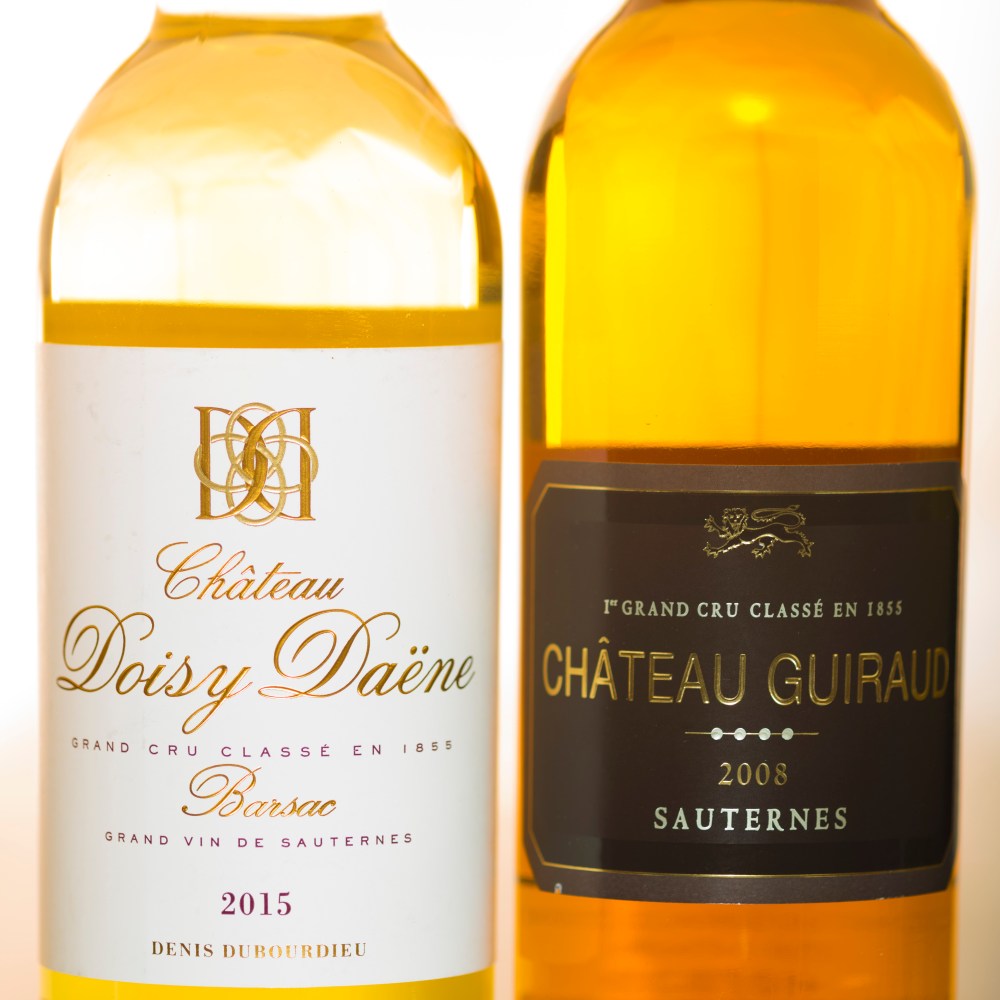
Sauternes AOC
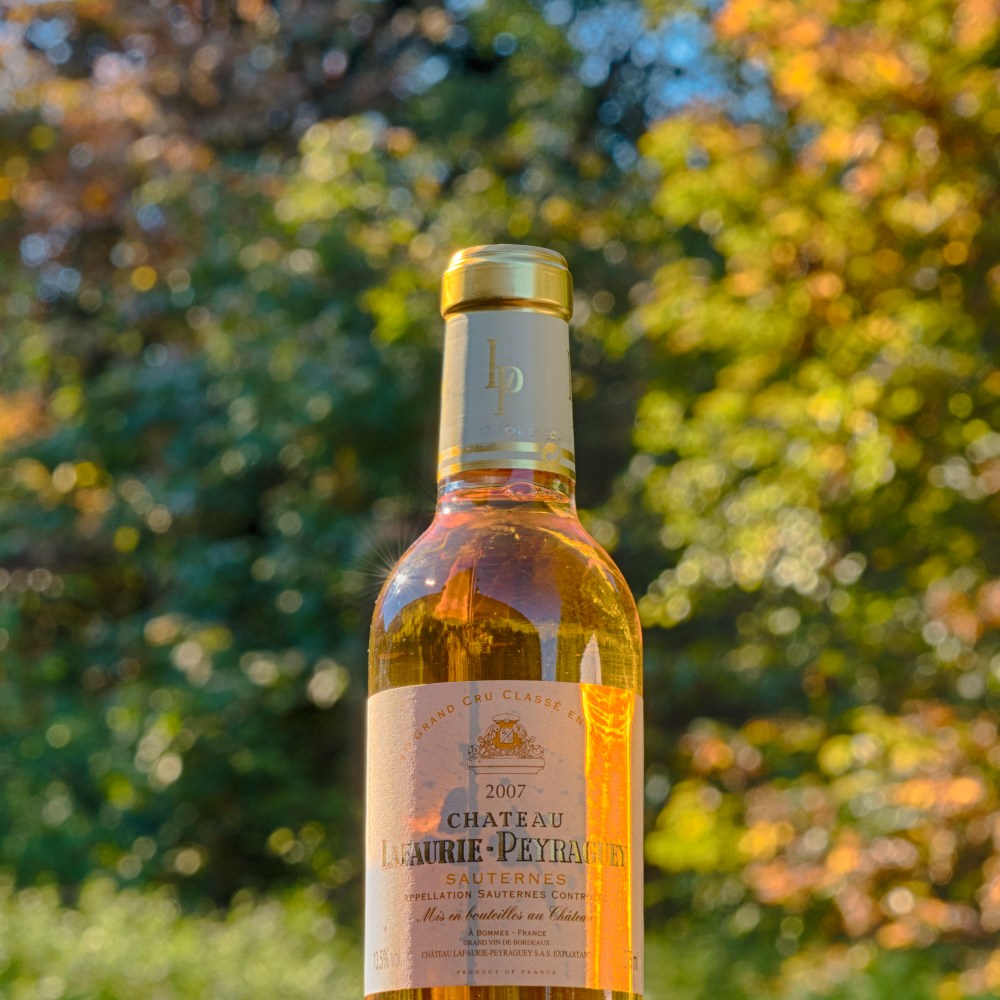
The most readily available, and commonly enjoyed, of the Botrytis Noble Rot dessert wines are from the Sauternes AOC. This is located about 40 miles south of the city of Bordeaux so is considered part of the Bordeaux wine region. The production rules require that the Semillion grape make up the majority of the blend, with the balance typically coming from Sauvignon blanc and to lesser frequency Muscadelle grapes. Sauternes are typically aged for 18 – 36 months before being released.
Sauternes are a relatively expensive for a dessert wine. This is largely due to the risky balance between leaving the grapes on the vine long enough that the Botrytis Nobel Rot develops but not so long that the crop is ruined. The making of Sauternes is also very labor intensive as the all the grapes must be hand picked, with may passes of the vineyard to ensure they are not picked too soon. Typically at least 5-6 passes of the vineyard throughout the harvest, with some years up to 10. Most commercial vineyards around the world use mechanical harvesters which accomplishes this in one quick pass. The typical yield of the vineyards in Sauternes is 8 to 12 hectoliters of wine per hectare of vine, which is about 1/6 of a typical vineyards production. Sauternes AOC is also minuscule at only 1500 hectares, considering the Bordeux Wine region is over 120,000 hectares. With all of this, and the fact that vineyard land prices in the Bordeaux wine region are among the most expensive in the world, it’s no wonder a bottle of Sauternes is so spendy!
Many wine stores, especially the chains, will have a dizzying array of Sauternes from USD $15 for a 375ml bottle to over USD $500 for a Château d’Yquem which is the only “Premier Cru Supérieur” classified dessert wine from Bordeaux. You can argue forever about who makes the best of almost anything but not so for Sauternes. Château d’Yquem is the only one worthy of the Premier Cru Supérieur classification and none of their competitors would disagree.
So how to choose from the vast selection?
There are no bad Sauternes dessert wines! Just grab any 375 ml bottle in the USD $20 range and give it a try to see if you like it. A 375ml bottle is plenty for 4 people, as it’s meant as treat to be enjoyed with foie gras or dessert. You would probably find it too rich and sweet to drink all night anyway.
Barsac AOC
The Sauternes AOC actually encompasses the following 5 communes Sauternes, Barsac, Preignac, Bommes and Fargues. Only Barsac has historically stood out from the crowd and was thus granted their own AOC. By law, they can sell their wines as a Sauternes AOC or a Barsac AOC. A Barsac is a Sauternes but a Sauternes isn’t necessarily a Barsac. The flavor profile of Barsac is characteristic of other Sauternes but many consider it to have a certain “elegance” that comes from the terroire differences. Terrorie is the concept that environment factors all affect the taste of the wine. In the case of Barsac, despite being within the geographical area of Sauternes AOC, has unique soil and terrain.
Barsacs are also readily available but be sure to read the labels carefully as many online wine retailers have Barsacs listed under Sauternes. You will see Barsacs labelled Sauternes – Barsac or Barsac Grand Vin de Sauternes.


Cadillac AOC and Loupiac AOC
Cadillac AOC and Loupiac AOC are also Bordeaux appellations that use Botrytis Rot grapes to produce dessert wines. They are just on the other side of the Garonne river from Sauternes but so far they haven’t reached the same prominent status. That means they are much less expensive which would be great news if they weren’t so hard to find in North America. Thankfully, they are easily found in France where we drinks lots of these AOC’s for very little.
First learned about these bargoon AOCs from the brother of a good friend who lives in Bordeaux . He asked why I don’t buy Loupiac or Cadillac as an alternative to Sauternes…..my response was ” Quoi ?? Tell me more my red beret wearing cigarette smoking new found bestie !! ” . Trust the locals know where the good value eats and drinks are found,
Monbazillac AOC
Monbazillac is near the city of Bergerac and for those of you who care, there is a statue of Cyrano de Bergerac. I’m afraid the bars and cafes caught my eye before the big nosed dude with a bad hat! What ?? ..a place to get Foie Gras and Vins in France…Had to take picture for all the unbelievers.

The wines from Monbazillac are also Noble Rot wines and are similar to Sauternes and Barsacs but they offer much better value. As they are lesser known so they can’t command as high prices. We’re talking “smoking deal” territory here my friends. You can get a fantastic dessert wine for a few sheckles, starting at just USD $12 for a 375ml bottle. Charles de Gaulle Airport has a few in the Duty Free
Even a small town of 26,000 has an impressive place of worship , The Eglise Notre-Dame


Botrytis Noble Rot Dessert Wine Food Pairings
As Highlander proclaims “There can be only one” and it’s definitely foie gras! Foie gras with Sauternes is one of those magical pairings that will change your life. They have this weird symbiotic relationship and you almost can’t drink a Sauternes without some foie gras and you can’t have Foie without a Sauternes. For those who aren’t familiar with foie gras, it’s the fattened liver of a goose or duck and a traditional French delicacy. There is of course that age old ethical debate which I won’t delve into here but, if you’re like me and it’s not an issue for you the pairing of Sauternes and foie gras is a must have. There is something exquisite about the way foie gras, with its rich fatty goodness, dances on your tongue with a Noble Rot dessert wine. I fondly recall introducing a buddy to the magnificent world of Sauternes and we ordered two small glasses and a foie gras appetizer. To my utter horror, he downed the Sauternes in one gulp before the foie gras had even arrived! He then proclaimed “expletive” it’s way too sweet, just bring me some Grog! Not being a quitter, he decided to try it with the foie gras and this time his proclamation was WTF, is this golden goodness in a glass I’m having with my Meat Butter ???? He has never looked back!
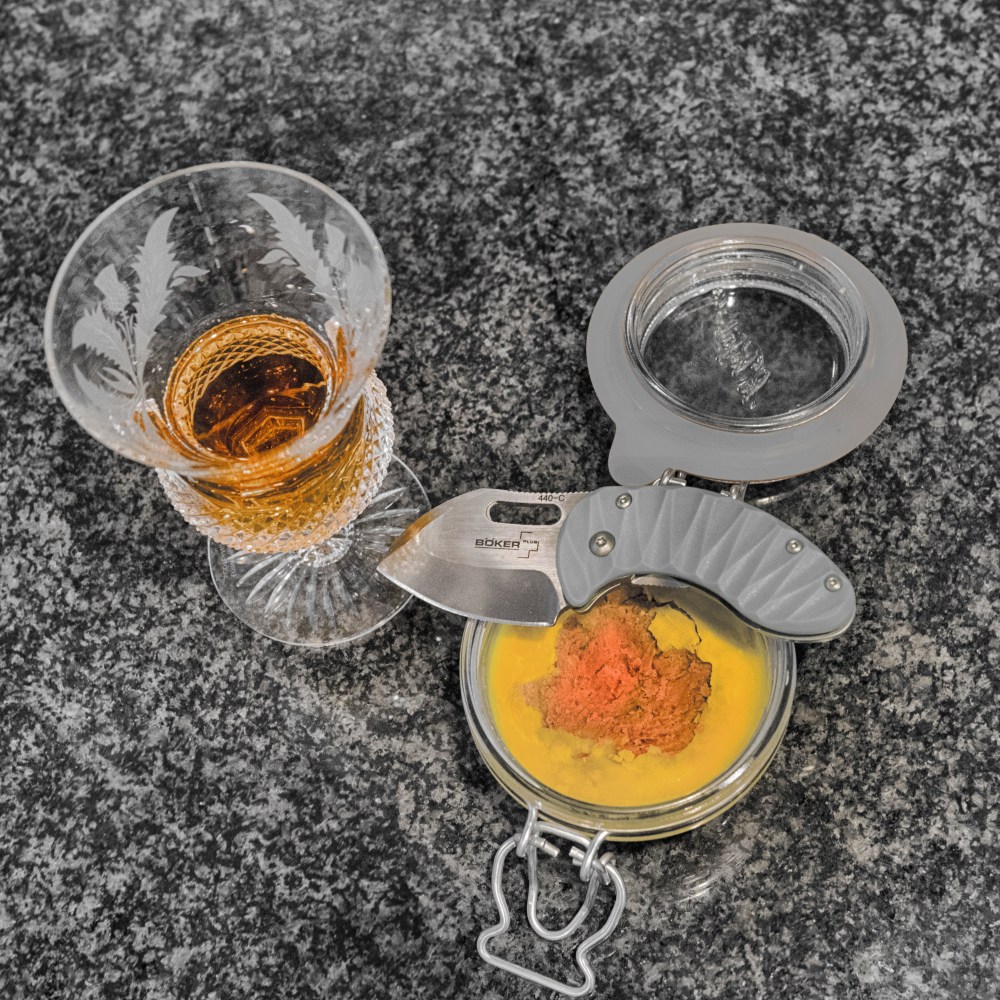
Roquefort, the King of French Cheese, also makes a fantastic, and classic companion for a Sauternes. The intense honeyed sweetness of Nobel Rot wine mellows the sharp tangy taste of this cheese. I’ll agree it’s an odd combination but it not only works, it works splendidly. Blue D’auvergne, which is made with cow’s milk rather than the sheep’s milk used in Roquefort, is another delectable mate. My personal favorite of the stinky French ( cheese not the people ) is the creamy and milder Saint Agur Blue. What makes it numero uno in my mind is that it’s very spreadable on all manner of crackers. Nothing grinds my gears more than a cracker busting in half when being smothered in cheese. Lots of people don’t like blue cheese, and I know the smell could gag a maggot, but don’t wright it off until you try it with a Sauternes. Just pinch your nose first, if you have to, and you will be duly rewarded!

It’s not just savories that go with dessert wines, and as the name implies, they are great with sweets. There are some wonderful French patisseries like Mille-feuille that also make besties with Sauternes. Many purist feel that Sauternes should not be paired with sweet desserts, but life is short…if you like it who cares what others think!
I don’t like a sweet wine with my main course but lots of people do and Sauternes are a good choice, especially with lobster and scallop dishes. I actually know someone who loves it with their Turkey dinner.
Sauternes, like revenge, are best served cold so they should be chilled to 50oF / 10oC. I store mine in the refrigerator so I take it out about 30 minutes before drinking.
No cheese plate is complete without some Botrytis Noble Rot Wine !

Vin Doux Naturel
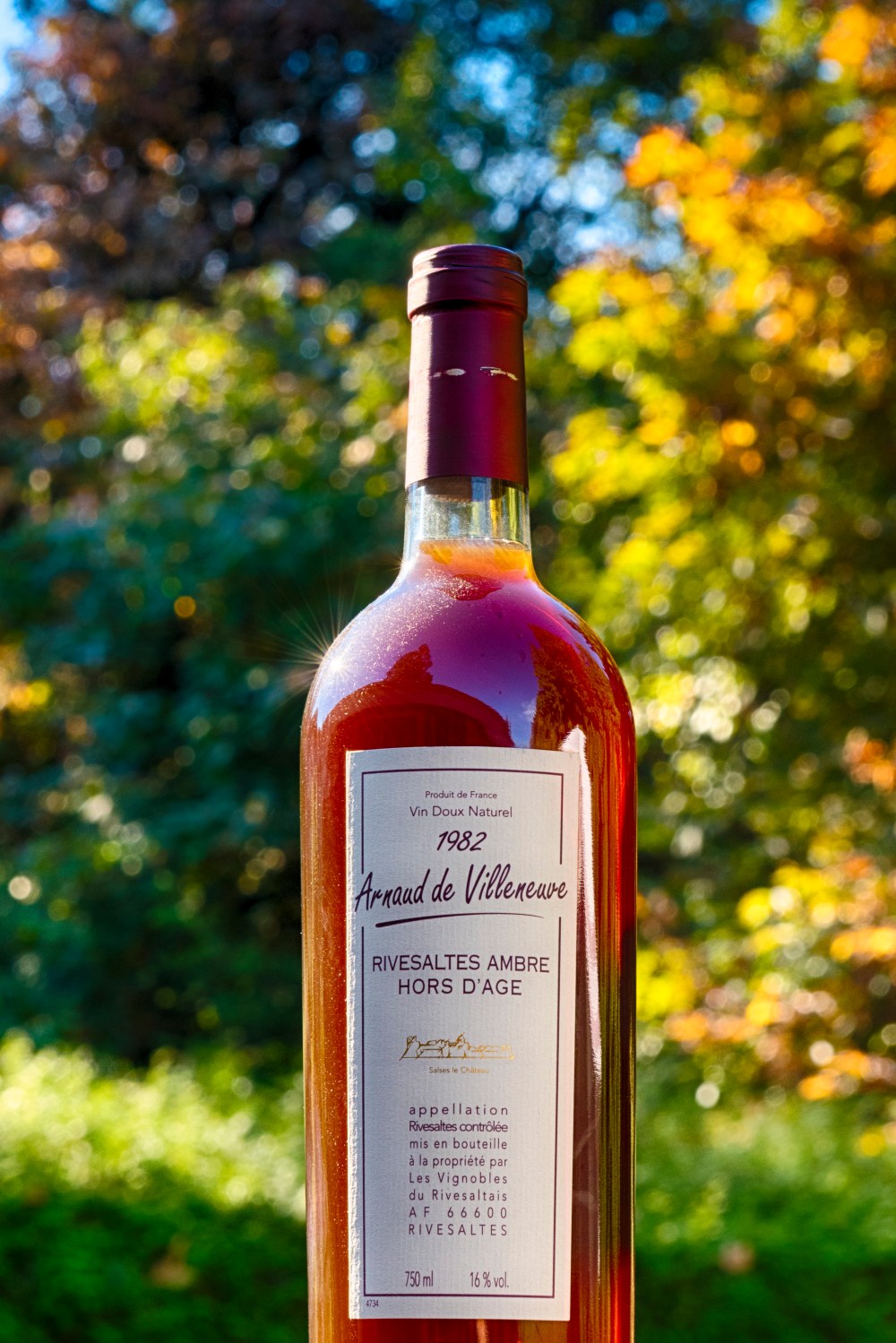
This naturally sweet wine, or Vin Doux Naturel, from the south of France is made by employing a process called Mutage which is very different from the Botrytis Rot or Ice wine methods. The name Mutage refers to the fact that the alcoholic fermentation process is muted. This is similar to Port where the wine is fortified by adding a neutral grape spirit that is ~35- 60% alcohol. In the case of Vin Doux Naturel, the neutral grape spirit used to halt the natural fermentation of the sugar is 96% alcohol. Because the fermentation is prematurely halted, there is a high residual sugar that will never convert to alcohol . It was pretty weird when I was in Rasteau, home to one of the best Vin Doux Naturels, and was told by a tasting room host that they kill the fermenting yeast with alcohol. I just couldn’t get my head around how yeast, which converts the sugar to alcohol, can also be killed with alcohol. I guess my Mom was right, too much of a good thing can be bad! If you’re interested in the actual science behind this, when a wine exceeds 15% ABV the yeast just can’t survive. The added neutral grape spirit, although 96% alchohol, only contributes about 6-10% of the final ABV.
As the ideal serving temperature is 50oF / 10oC or below, I usually drink it straight from the fridge.
I think that the Vin Doux Naturel makes an interesting alternative to Sauternes with foie gras, blue cheese and chocolate too.
Rasteau Vin Doux Naturel AOC
Rasteau AOC is home to the fantastic Southern Rhone red wine we all know and love but some stunning Vin Doux Natural is also made here. The Rasteau Vin Doux Naturel can be made with all three types of Grenache grapes, Grenache Blanc, Grenache Gris and Grenache Noir. They most commonly produce red, white and rose Vin Doux. They also produce Vin Doux in Ambré and Tuilé which is honey like color.
Rivesaltes AOC
Rivesaltes is the largest appellation in France that specializes in Vin Doux Naturel. It is located in the Languedoc-Roussillon region of southern France. Rosé, Ambré, Tuilé and the deep red Grenat (Garnet ) colors are all produced here.
Late Harvest Sweet Whites
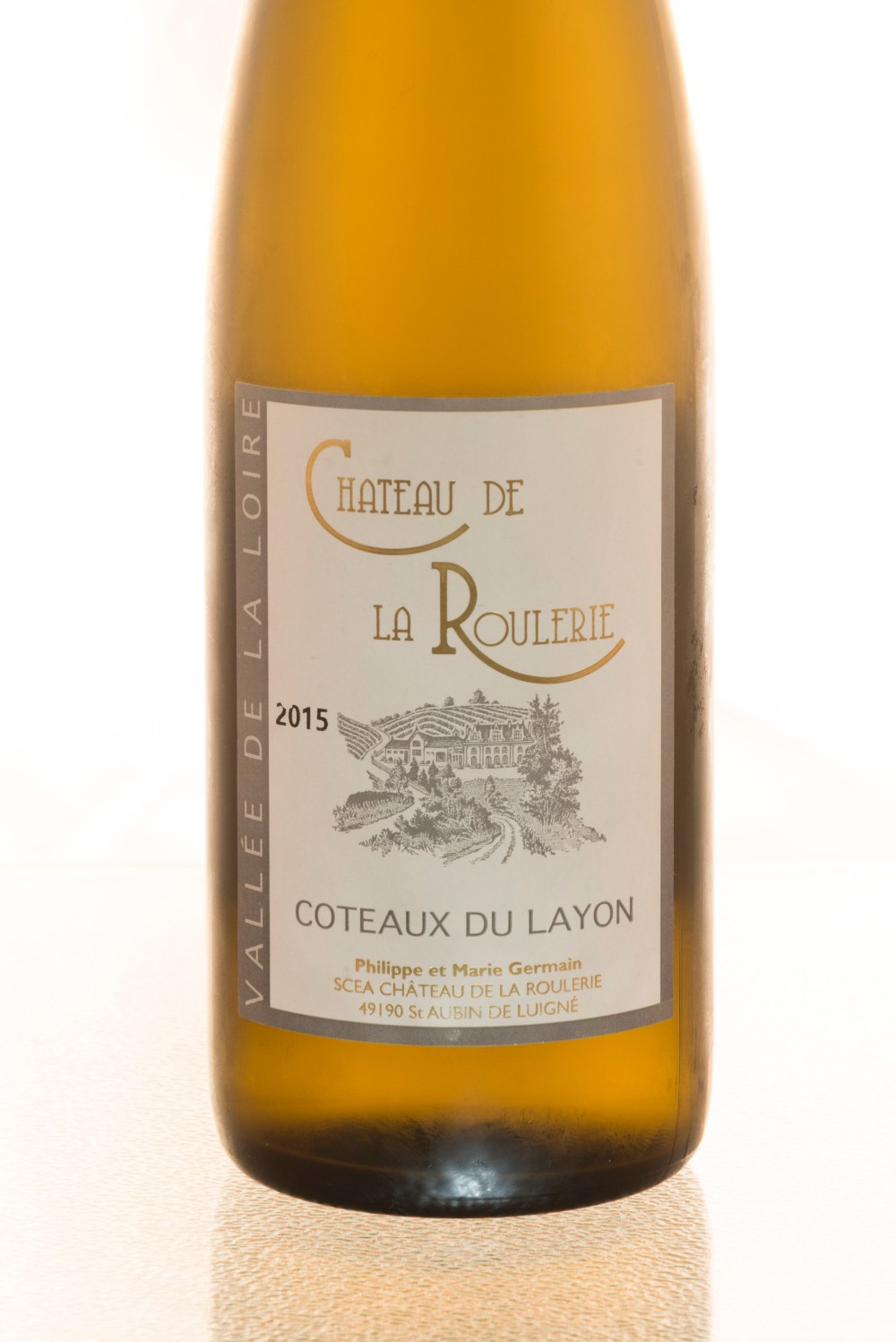
Coteaux du Layon AOC
The late harvest sweet wines from Coteaux du Layon AOC are harder to find in North America, so they are not as popular as the Sauternes and Vin Doux Naturel, but they offer a very interesting alternative.
Coteaux du Layon is in the Anjou region of the Loire Valley. Their claim to fame is white dessert wines that are made from 100% Chenin blanc grapes. The grapes are always late harvest so they’re over ripe and shriveled. Noble Rot has often taken hold, but it’s not mandatory like it is with Sauternes. The sugars concentrate in but that’s mainly due to the late harvest rather than the Noble Rot.
Coteaux du Layon dessert wines are never dry. The sweetness level varies considerably, based on the individual producer, but they are typically much less sweet than the Sauternes and Vin Doux Naturel. This makes them the perfect dessert wine for the winos without a sweet tooth! I have enjoyed many late harvest wines from around the world but I consider the ones from Coteaux du Layon to be some of the best.
I prefer these less sweet dessert wines with sweet desserts, so as not to overshadow them
Again, the right serving temperature is 50oF / 10oC or slightly higher, like many white wines, so just pop it out of fridge for about 20 minutes before you get drinking!
Although these dessert wines are harder to find, any good wine store should have at least one Coteaux du Layon. The price runs about the same as the entry level Sauternes so a pretty good buy.
Dessert Wines of Italy
The Italians just have to be different! Instead of using the Botrytis Noble Rot in Sauternes, the Mutage process for Vin Doux Natural or the freezing used in making Icewines, they use their own traditional process called Apessimento.
If you didn’t see my earlier post on the Valpolicella Wine region take a look at the link below. The Appassimento process involves drying the grapes on straw mats or bamboo racks. The grapes almost become raisins since they lose almost half their water weight which results in uber concentrated sugars.
Raisins aren’t just for Kid’s Lunch Boxes
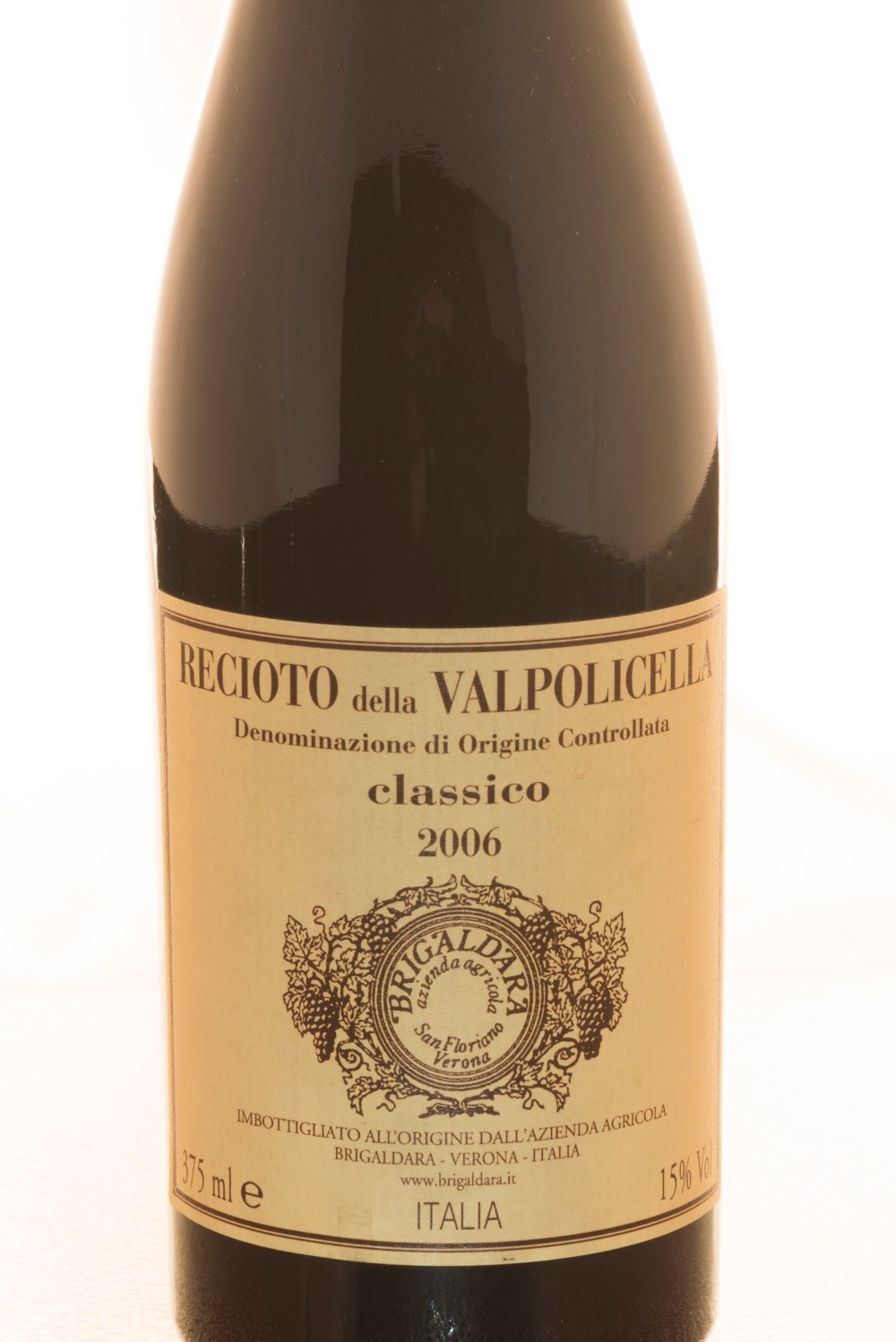
Legend has it that the creation of the world renown Amarone della Valpolicella DOCG wines are the result of an accident. An Apassimento dessert wine was left to ferment longer than it should have been and the result was a very high alcohol dry wine and, e voila, the Amarone was born! Who says good things don’t happen by mistake?? For the curious among you, that famous Apassimento dessert wine was none other than that delicious Recioto della Valpolicella DOCG. Both Amarone and Recioto are made from the Corvina and Rondinella grapes, resulting in a luscious dark red full bodied wines. There are some words you just want to say over and over because they just roll off your tongue. I know you want to say it…………. Recioto dellaaaa Valpolicelllllaaaaaaaa !!!
Recioto della Valpolicella DOCG
All there is to say here is go buy a bottle of Recioto della Valpolicella ricky tick! This dark, rich, lusciously sweet dessert wine is the perfect pairing with all that dark chocolate under the Christmas tree. Nona’s tiramisu, not the stuff from the store, is a classic partner too! This captivating dessert wine is not just great with sweets. It’s fantastic with a big gooey slab of gorgonzola stuffed inside a nice ripe fig with some candied walnuts on the side. Recioto begs to be paired with something big and flavorful that stands up to its distinct and lingering flavor.
I personally rarely drink Noble Rot wines without food paring, but I can smash a bottle of Recioto as my only dessert !
The ideal serving temperature is 16-18oC, so warmer than you would serve a Sauternes. I typically store Recioto at room temperature or in a warmer part of the cellar.


Vin Santo of Tuscany
Vin Santo or “Wine of the Saints” is another fantastic dessert wine made using the Apessimento process and is classified within Tuscany’s various DOCs. In the region of Montepulciano where you find the famous Tuscan Wine, Vino Nobile di Montepulciano DOCG, they also produce a Vin Santo di Montepulciano DOC. Similarly the Chianti wine region produces a Vin Santo del Chianti DOC. If you want a refresher on wines from Tuscany click below.
Vin Santo is made from the “straw mat” process but the grapes are not dried as long as they are for Amarone and Recioto. The drying of the grape by laying on mats or hanging on racks indoors, concentrates the sugars within. Vin Santo’s are typically made from white grapes indigenous to Tuscany, such as Malvasi and Trebbiano. This results in wines that are deep gold or amber in color and can be lusciously sweet, borderline dry or everything in between.
The classic pairing for Vin Santo, no matter the sweetness, is the Tuscan Cantucci which is a crunchy almond cookie similar to what we know as a Biscotti. Following tradition, you dip the cookie in the wine to soften it which really weireded me out at first as I hate food bits floating in my drinks. I forced myself to give it a try and after one quick dip I was a convert! That Cantucci dipped in a glass of Saintly Wine was my epiphany.
A sweet Vin Santo plays nice with a Gorgonzola for you blue cheese fans or a Parmesan Reggiano as a end of the dinner snack ! I guess the Earth won’t stop rotating on it’s axis if you pair this with a French blue cheese like Roquefort , but with such a variety of Gorgonzola available why not go with the Italian theme !
As with many dessert wines, Vin Santo pairs well with all manner of sweets. The flavor is more subtle than Recioto della Valpolicella so even lighter desserts like cheesecake and pies go well with it. If you have already eaten too much it also stands alone very nicely.
The proper serving temperature is slightly slightly below temperature but I don’t pay any attention to that. I just drink it the way I find it but definitely not straight from the fridge!
All good wine stores will have Vin Santo, albeit a limited selection compared to Sauternes . Expect to shell out USD $25 – $40 . Most authentic Italian ristorante will have it on their dessert menu.
![tæG"q¿È=éî,¢¿ØMÅõú?ºÈ óÁäVä¹#cÍGʽÌáKÈò¸ÂôÀ995Êäb||RÚѵ©FÉïõ-ÎÑ»ÔYE7h&9kfÖþ!ÑFzkl#u(ÛÚÇyê}«¥ÇR*³´'×nnoÎOBÀóôÍ9ËÉ·v.ìBªjôûYéñ##ý3ï]H7È.p:älêûËmrá÷«vH«±õ
²Ø¬(¾dåyQÓ8«üEl[jJÙ!Xò@Å/ûJeþô?ÂÊÆü ÷®oØ]«øvX¯ü»5§¨'¥^I h +«kÅDÁbýjX[tÎÝ7ÓIðò'DPÕ!òì]íÞgó¤åþÿ©½ÆãƾY?àú¿ê9åÿÔq2Â7s (@¸ãTUe)/Ê1÷ i <®ÍÇv¼³eûx±¿cÔíjº0N@ úó2~ò´+Ó°Ékåb½Bâå!Îâ#* ±îJi¶ýÏ18¸ÉÇì Ó ºöK»pM=ÇH«@ºÆ¡<³ùf3Ò'ëL9Q²÷Âzy¦ÀË¥@ø¥y§ÛÃÂÛ/FOÓAv!ø³MgÏÔãi°u%uË[v'ò~|ÔâÍ/vW6?²µÕu´óÚÑÈ,¸ÆG½j.zÖÌÙp¥/(ëp-¥û+,Ü
[-/ÑKàëÝ°4·ë-Ïö¯9ÉâË'g!%²ÂÉéí*Cõ
¡*c°}!ðìwÏ,¶¨ä÷-làÉ4£)£Ç¥;?ÃNu`Þ¼qn yeÎ(=à 2@BI¦a rq¼H`m`e=®vÎÐVÚlnm¹B0»3u q¡¥ªiWH!ÖIåà}+±ÊTM+^é¶Ïh6õcަ謢{Í&v9ÁçÛjÌУ(ü-{urLxëD|£bÊÛ6¿ð=ì?Yø <ò¨ÓÀ¶ºµ"ci<à}(©÷ZdÁS,<eosin
ô@=¹¦ÓÙlÓõûvLp¹ DZNwçÍ äJÍU¡ÇÍ´ª¨Áö&rÈq%m>(m
ìFzâ¼þ{y6oãqQ ;íSJ6¥Àv¡Ò(^sz$¯t6Þ[Àv4¹}½
-7g²:Fz>¯éÞS©Þ(èß:kxÖ
lçZ´Ô]Ï;òI_¯OʺrÞÙÿÓýÙ=´
±Oö¥,m:1iî"ÌÉR8:Ñc'°Û[¹m³nèÙë@ºajÌ5Ä0{mÏZ,n@r$-§p¸,AöÄHRY6·Ï°ê^j]ÊÙe¥ckdº´ÌcswÍ«!O±O¤xv8í¯þaÚ"ÝqT{KHd¤ISé¿Ì×eÉQ%cL2&;k¿´Eó2çÛÚý®Q¦âæ{Û ®Å£çåNñù ÊÎu.:ÈæÂçñÒµñeI 4+!¹#¿ANã TUø/W×Y´iS*úÆ[ðöæÏ«ÐÿÒn?jö^> g¿¾´·²¤XÙ«^p¡¤#ÔÃìfißÎÒE/ÇõH4ðÆKaZNmgFbÏøKô¡åÌòK³ 4¨ÂëPÙØ:å[_°¹'ª!üBÒ_Ý1ë9ùV¹1IBÊM ¡´±Ub¸#8ä ^ÆÞãJ4+¾Ö|ÍB+HåÚ²¦@~Oæò»êK-LÄ6=_Äçs?ϧ2[5xxb¡lM¬êQÁ§å³ÓåIÃm²'ìM^4V{£÷ãFhÐÄ£¶ G¾¾ÕqXÏ({cçAyÓõ³ÿÔ¶ÕEÌé¥øÏÊ© ÊÛë~;_>9 *e#ÊØ++¨Io'×ê8èhqÅ»&S¤{³u¹EÅÉÀöÍ9ð-= éthâpl
áùѲc¤- lÉrìüë2ZGö:WbÓÿv© Ï þ´"]|iß4áýÎìÜÒ_Ü+=XÇ8g 0ì}éɹS9:M{i õ ç³ÑnÈñµÀzTaF;ÓÜX¥ Y$ùu)C3ªÈêAÅ;5uh÷KÈ#.IÐôhN¨Ùµ®¦¡fUË4³Æ¤}XU¦Lc©#¡~×dÊ:GêÇûVr[=Ëþç¶Mô<b%VA}+"æØòîKðy¿µ·ZÇß¼* 1OãÎÓ¤yÎV)?ÔCa¦ÞZú¤øsé8éMOhR8XÉîVÏñÍ*óE-<ôSxî'õÈÄOnÕêÖ¼âz)µ+¯/c¶JÆÅ^ábJêösqÐ(ôç¹4W"c&'YÊÃz,#+²{ßß&ÝíÑ çµhÊ ¯%ýÏ^ÏE'ËpxüóQo@²I¡ó©å¤:·®Þíû9ºÿù[*^Á£&H_=ÄëbrqdÉtë[¨-Qã¿ÓÛ5)4Ê)§ ÔÔn'b½ äß¹ÚE±bM#µå] àóÍ'9vVZxc+KÉl¦DWaê ÒÓÂæ´)9uie©E,* cMf§.ÔHÂþöÒG¬õQÛÛ4ĸËRLå.|ÍËÎTtâ«ÆTÈd½þ®÷ìb$8#¡4xãؤääÇbé³EflUcqcZ0¼¶Ì+´önÜSÊÛ £]'Diuk©æyYgbðzaMüGDcÌÛtò¿Å2ÑÐmaúÆ3sïBÈ3NoHÇ¥$ÞüýÃcÚîsð'{Ö[hûS°ÅnÏ7ÉËÖoõ>ÞxÞ[s7|è²ã±yr¢Ðß]5ÂCåµ|Op/-mõ +$#Ô;ô¥¡ßò Þ
×¾8Õ×PMëcé=~dÓ¸p«^@¾[Og@ðÞ¹á>jù{RAqKò¸°¶ðåøïü j_Î}9äõòüÚð1Ô]ªËm¤[ìùy¦`ÞGA"è¿x®÷Nø°4hbpz9üÇ;xn<»¤ÕxeÝ¿ÎV9&&Ô&¨Ë¦J|²F;Ù"¤UÎPþÔî¾ÎÉ#tÅ!`3`Vö¡|³LÈI$OòÍUÊØ|ruàÿÖW}ö¢0£ÄuúQ#Y17ªøráQ§W'ĵ2ÀÒ²ØÚ3Ì}JAéK=ò9ç¸ÈA
êç¯JédÑ
0ÏÝØBíêOo²p×cmq¤ë¬32Àîã¥W²ë#°ãp¼ÊîIí0À-ÁÆ:Ö&LI=q{ãÇSrªª[Nñ"RM"2öÖøXQÞF8T֪裰*ïA6êlê6Aàã>VJ y7k© ì.ÈZ#ÌÚÈù"°tËHhw>Á±Ø®sP4ÃNPq$`ðÙ2©äÎ?ÙJ&þ$K51B ÇúÐcÃ}´ôöÿ×¹Ö®lÙBÅÔúOLýqS¨oÈ×X&RúXt¦'Ð EÔnw·'ïKéßM,N}??KÄ-ý¨äd H¨F3+9ìw3 nâÏIÒ!§"Á¶§Äâ|FÌ~uÑÊO!º³Ôo CÜ`±¨´[*Múý´qì1òÇj41ûI RÞ#ɧ&ôQÌ";/¶Y´ò7©²ß!]tÊ°ß ßXYÂVLÔqýë'rzÇÍ·ä#ZÔ¢Èp§¥!ÆÇ5-ËQ§®î>éñ
ÿÍï[ýR974VþØæS*ÈÛ`P1AÛ=4_ÊKÜraØþ9
SïjFöNI|µÿÖËI+dëÞmÔû¾Õ+6@ØäÕ^{{Uý?é°T|Ü¥õKø3ØÏi(¸QæÂyw8Á*ãe?ÁøYÛJ¹©*û}!:8ÊþÿPNàû;ôkÙç|màtÆM=
ÜRTçù¨ä·lë1˼§Mgúüa¬s>ÎýéYXòÉ;EôɸtkQ¨¹".¶I#¶}«³òÙH$¥em¾«e}ÁfÀù`ØøsDÅRý ò£Ö#¯hÑ}° |¬AB;ïLåÉðãB5{Zé:vM"©Ùñp8-Å% ¹=ñÒLÏ^¸Óïtæ®lçqéüèЬg;MÆI¤·¸åA¸Ü:qZ1ÄÚ2îâÎÐ4fYçÎ0¤ ¼$ýÎËâ³y4lê¬vÈÁùsGý®+@$¯[äirN=³K¬öÎhÿл¶Èý¨ØP£Ï%.´ûi¸åS&Ê$eû MÙÉ3Uí^HÉE.kî¯2U!¼Æn£ÕÎýâãÒ¼qFp¸¡K,NH.+{«2±ÈÌQð¥¶Sáõ)VËu 1}ªÊI$,Y. ò }82«±w;gYI gÓX¢ýÁ9Yâ+V¼Ö Ï5Ê?1xEP5Ëùm«}ÙãâïØïÂ<ÚÁ<P
â äÆú²ÐTk{x«¢0+)vðyUÿgâOñNÜ&·=iÛlwÓiäTUþØ&õ¤Rs[ûmÆ»Òä¥*9Õ¤I.cC£pTô49É¢ÝSTÊ*ÊÕG1)ã¿=ÃwùVy%÷-Ñ}o-mÑHÔ«cÆ:P{·¢z¡]·%Ó£ Êþu«P³Êó3Vi/æewªG©FƵ#SNÊöLmá¿E¢âí¸Ï¥ëTÃ6íû¡³¤À4ë;lÄÈ1¥bçÍ)KcÏKAW1]FÎìcMGÅj4Â&o%¬
Ðrx'm;9ÙGihÀUdÇ?Z43ÉbBäÎdÉvªÎrÛ&$®µ¯]ý©m<~,t§8÷aT4X(võ.N붽YlºÓï¥ÔÄîv)%¾X4|2måP%ÍZ¤Àf×.%¹XçÈ/j*`w:xòöÐßd÷Ðn¤Ø[Eæ(ORi¯He£Kñ
x)ÎEwÀ'&uG«B/±ùHÁGehsÆ-)Ú³¢àüªqÆʦ3Omµy"F²[Û´ ÏTÂ$3{V}¨hèɧ^¼FF*«óª¹"òL^Ëaë^®J°5±Ç
'ßÅÚJ¹Æ'±è(9hÔôÉF9Seí.ÕJ_ÙZÈÑÃ<ÇháYsß³Äâ£UsSÅ#ÛÏs×;ý#ôñvÅö*4Ù.<fd&âî ?ö¢?KnV//WJj=LƯ%å´Â!^p fÉÏojËx)ùý¾ú%¯n`%±Ä§r2)¨J](https://serioussip.com/wp-content/uploads/2018/12/dessert-11.jpg?w=1000)
Dessert Wines of Hungary
There are much better things coming out of Hungary than Pálinka and I would be remiss in not talking about their most famous wine export, dessert wines! The best of these hail from the Tokaji (Toe-Kye) Region in Northeast Hungary.
There are so many different Tokaji wines, with a broad range of sweetness levels, so it’s very important to read the fine print on the label to make sure you’re getting one you’ll like!
These wines fall into four sub-groups but we will focus on the two main ones, Tokaji Aszú and Tokaji Szamorodni
Tokaji Aszú
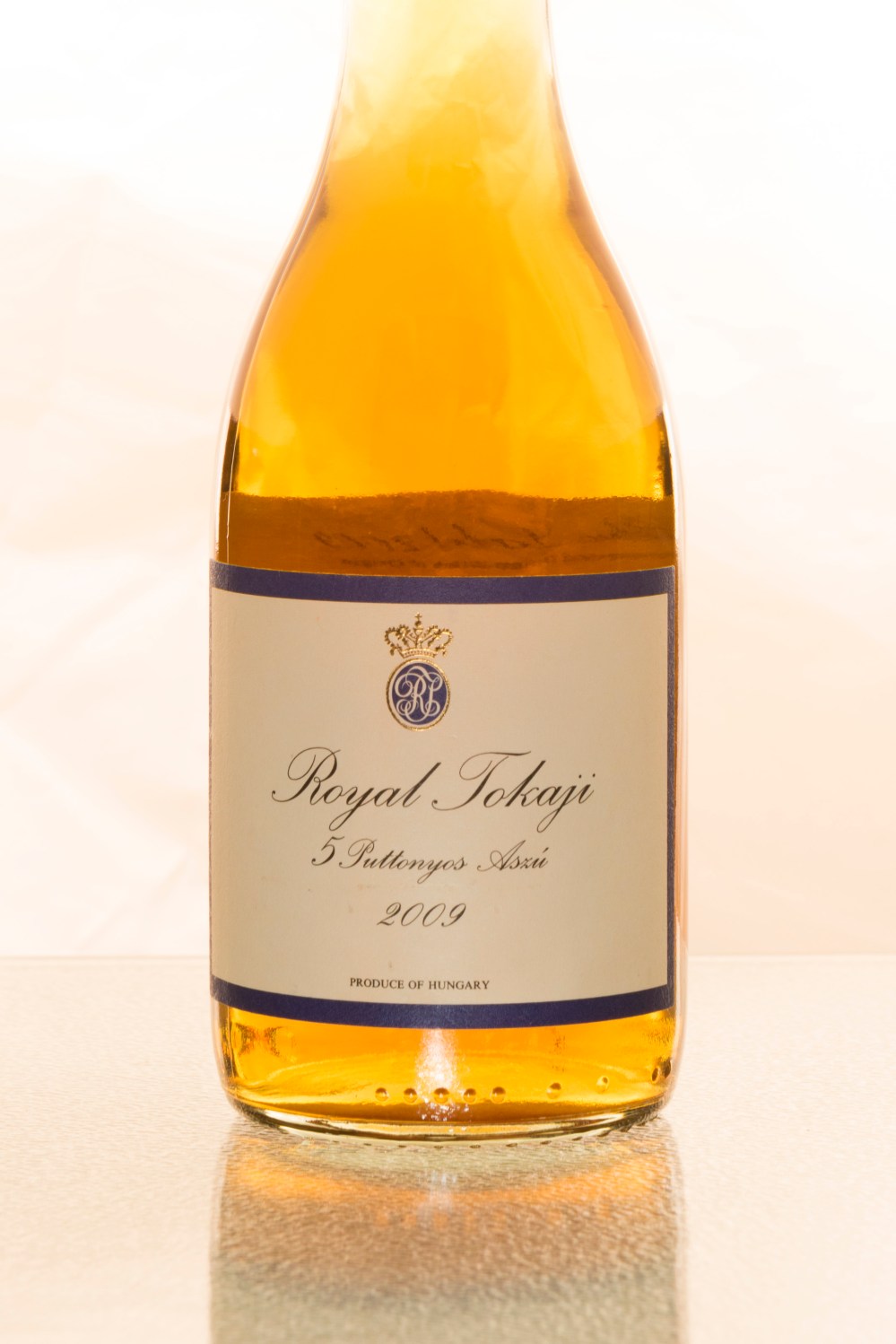
This dessert wine is somewhat similar to a Sauternes in flavor since both are made from grapes with Botrytis Noble Rot. In the Sauternes AOC, the grapes are picked selectively to ensure only Noble Rot grapes are used in the pressing. In contrast, for Tokaji Aszú, they make a base wine with grapes untouched by Noble Rot and then add Noble Rot grapes to it, with the amount depending on the desired sugar level of end product. Useless trivia, the sweetness of the Aszú depends on how many hods, or baskets that the grape pickers wear on their backs during harvest, of Botrytis grapes are added to the cask of base wine. In Hungary, a 25 kg hod is called a puttony which is the root of Puttonyos, the standard by which the sugar level in Tokaji Aszú is measured in the finished product. The scale typically ranges from 3 to 6 Puttonyos. 3 Puttonyos equates to 60 grams/litre of residual sugar and 6 Puttonyos is 160 grams/litre residual sugar. By comparison, a Sauternes is typically between 80 and 120 grams/litre. Although Hungary’s Tokaji Puttonyos system was discontinued in 2013 and replaced with a more precise measurement, many producers still follow this old tradition. As you can see on the bottle below, Puttonyos is used on the label and most online retailers have the Puttonyos level in the description.
The selection of Tokaji in North America is nowhere near as good as Sauternes, but it would be worth your time to seek one out to compare with the French Botrytis Noble Rot dessert wines. The price for a 500 ml bottle starts at USD $40, which is a little higher than a Sauternes of the same size, but it’s a good alternative and definitely something you should try.
Make sure you look for “Aszú ” on the label along with the Puttonyos number and not just grab first bottle of Tokaji you. Even I have ended up with their Late Harvest instead of the Botrytis Nobel Rot I was seeking!
The food parings that work so well with Sauternes also work well with Tokaji Aszú, both being Botrytis Noble Rot wines.
Like Sauternes, Aszú should be served at around 50oF / 10oC so I typically leave it in refrigerator until half an hour before serving.
Tokaji Szamorodni
These wines are much less common than Aszú wines and have a different make up. For Szamorodni whole bunches of grapes are pressed and vinified together. This results in less residual sugar as not all the grapes are afflicted with the Botrytis Noble Rot. These wines are almost impossible to find in North America so the next time you’re in Hungary………
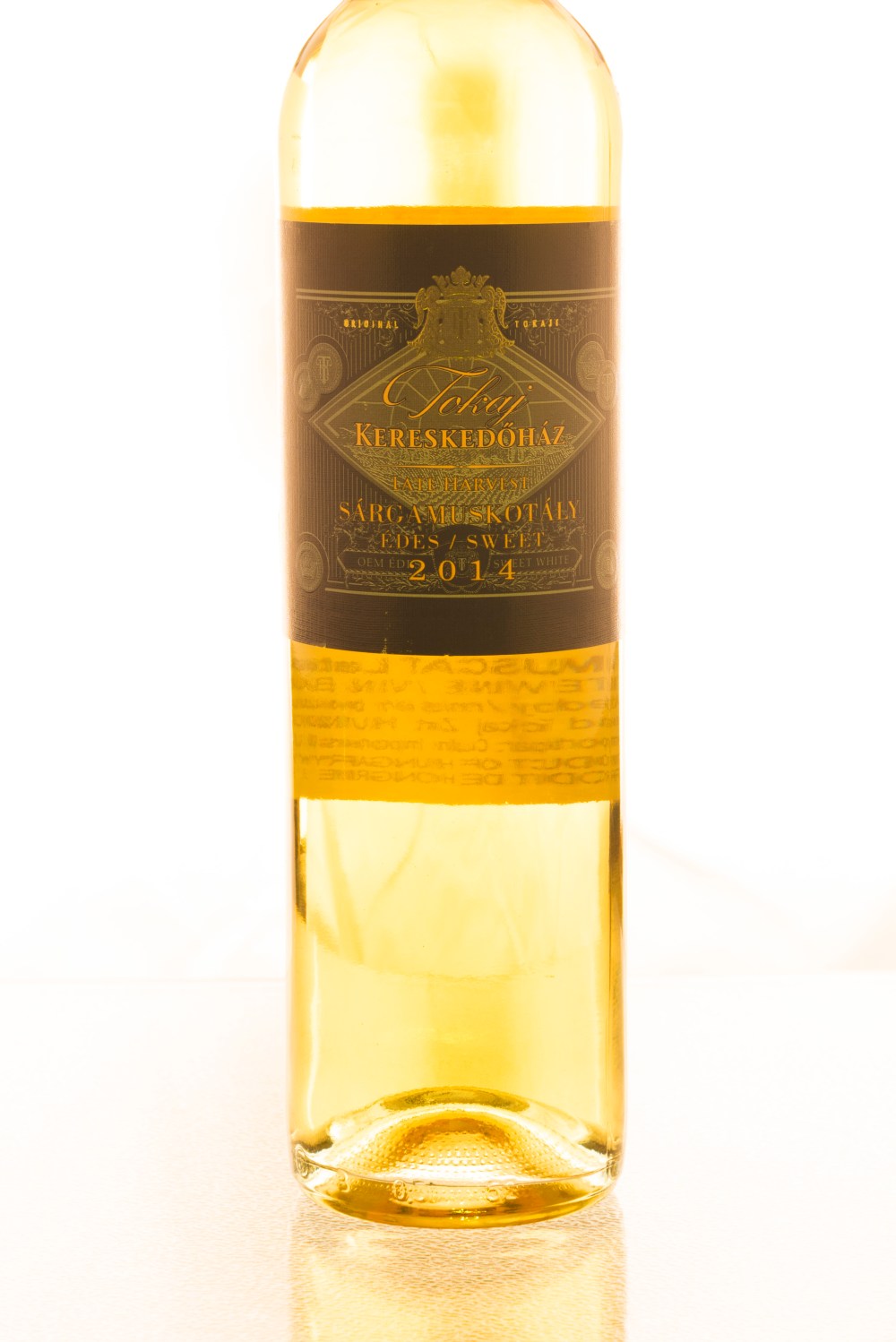
Tokaji Late Harvest
Like the all of the wine regions in the world, the Tokaji region is trying to capitalize on the dessert wine market. They produce a budget friendly, late harvest wine that is typically made using Muscat grapes. These grapes are inherently sweet and, together with not being picked until they’re over ripe, the wine produced is quite sweet. Similar to many other late harvest dessert wines, it is has a lighter body and less complex flavors since Botrytis Nobel Rot afflicted grapes are not used at all in its production.
These wines are easy to find in North America and are priced in the USD $12 to $20 range.
Don’t forget, look for the term “Late Harvest” after Tokaji and try one, why not today?

Well, after all this blethering, I think it’s time to pour myself a wee glass of dessert wine before I get back to the Rhone!
Happy drinking, merry Christmas!
Barley and Vine
 Barley and Vine
Great post 😁
LikeLike
Great and comprehensive Kenny Must get out and start buying Cheers, Brian🥂
Sent from my iPhone
>
LikeLike
Excellent work Kenny.
Off to buy more wine right now.
Brian
LikeLike